ALBUM NOTESBreaking down the themes in Black and Blue by The Rolling Stones
Black and Blue- Album Overview
Black and Blue, released on April 23, 1976, is the 13th studio album by the legendary British rock band The Rolling Stones. Marking a pivotal shift in their musical journey, this album was released under the Rolling Stones Records label, following a tumultuous period for the band which included the departure of guitarist Mick Taylor. The recording sessions took place in various locations, including Musicland Studios in Munich, Germany, and Island Studios in London. The album features contributions from a range of musicians, including renowned session guitarist Wayne Perkins and legendary reggae artist Peter Tosh, who added depth to the album's eclectic sound.
Black and Blue is often described as a transitional album, showcasing the Stones' exploration of different genres such as reggae, jazz, and funk. The singles "Fool to Cry" and "Hot Stuff" were released to commercial success, with the latter showcasing a heavier disco influence that would characterize the late '70s music scene. The album cover, designed by Andy Warhol, is a striking visual representation of the band’s artistic evolution and their desire to break away from past conventions.
Musically, Black and Blue was significant for its experimentation, as it marked the band's first release after their iconic 1972 album Exile on Main St. The album's themes explore love, heartbreak, and the complexities of human relationships, with a raw honesty that has resonated with audiences for decades. The blending of styles and the introduction of new collaborators reflect the band's willingness to adapt and innovate, making Black and Blue a crucial chapter in The Rolling Stones' storied legacy.
Review
Black and Blue presents a fascinating tapestry of sound that captures The Rolling Stones at a crossroads. The album's opener, "Hot Stuff," is a bold statement that marries rock with a disco sensibility, showcasing the band's adaptability in a rapidly changing musical landscape. The lyrics throughout the album often delve into themes of love and loss, with "Fool to Cry" standing out for its poignant reflection on vulnerability and emotional turmoil.
The production quality is excellent, with a polished yet organic feel that allows each instrument to shine. Mick Jagger's vocal delivery is both powerful and nuanced, embodying the emotional weight of the lyrics. The incorporation of various musical styles, particularly reggae in tracks like "Cherry Oh Baby," highlights the band's willingness to experiment while still maintaining their rock roots.
Artistically, Black and Blue represents a purposeful shift, embracing a broader palette of sounds and influences while exploring the complexities of relationships. The album is not without its rough edges, yet it captures the essence of the Stones' rebellious spirit and their quest for musical evolution.
Highlights
- The experimental blend of genres showcases the band's versatility.
- Mick Jagger's emotive vocals on tracks like "Fool to Cry" resonate deeply.
- The collaboration with session musicians enriches the album's sound.
Weak points
- The album may feel disjointed due to its eclectic mix of styles.
- Some tracks lack the cohesive energy found in earlier albums.
- The absence of a consistent band lineup may affect the overall sound.
Overall evaluation
Black and Blue is a significant yet underappreciated entry in The Rolling Stones' discography. It captures a moment of transition and experimentation that ultimately reflects the band's enduring legacy. While it may not reach the heights of some of their earlier work, it remains a compelling listen that showcases their artistic evolution.
Personal rating: 7/10

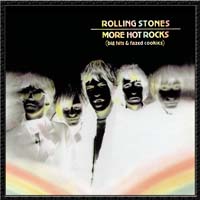
 1983Undercover
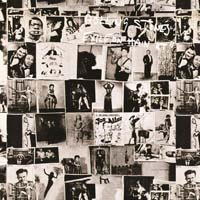 1972Exile on Main St.
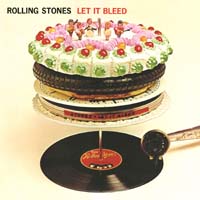 1969Let It Bleed
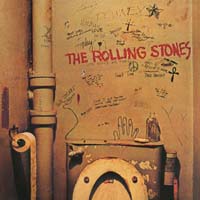 1968Beggars Banquet
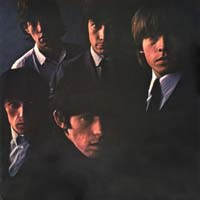 1964The Rolling Stones No. 2