

Unpacking Pete Seeger's The Original Talking Union & Other Union Songs
The Original Talking Union & Other Union Songs- Album Overview
Released in 1955, "The Original Talking Union & Other Union Songs" is a seminal work by American folk musician Pete Seeger, dedicated to the labor movement and the struggles of workers across the United States. The album was released under the Folkways Records label, known for its extensive collection of folk music and oral history recordings. Seeger, a key figure in the American folk revival, uses this album to promote the ideals of unionism and to celebrate the working class through song. The recording features a combination of original compositions and traditional labor songs, many of which Seeger had either collected or adapted during his extensive travels and performances. The title track, "Talking Union," is particularly notable for its spoken word format, blending storytelling with interactive music to engage listeners in the fight for workers' rights.
The album also includes other notable tracks such as "Union Maid," "Which Side Are You On?" and "The Preacher and the Slave," showcasing Seeger's ability to blend political messages with catchy melodies. Collaborators on the album reflect the vibrant folk scene of the time, including musicians who were influential in the labor movement and folk music circles. Seeger's work during this period was significant not only musically but also culturally, as he became a voice for social justice, civil rights, and labor rights. "The Original Talking Union" continues to resonate today, reminding listeners of the power of solidarity and the importance of advocating for the rights of workers.
Review
Musically, "The Original Talking Union & Other Union Songs" is an engaging blend of traditional folk instrumentation and storytelling that captures the spirit of the labor movement. Seeger's voice is warm and inviting, making complex social issues accessible through song. The album's lyrical content is poignant, filled with calls for solidarity and action, as it conveys the struggles, hopes, and dreams of workers. Each song is carefully crafted to evoke emotion and provoke thought, reflecting Seeger's deep commitment to social justice.
Artistically, Seeger's vision is clear: to use music as a tool for change. His arrangements are often simple yet effective, allowing the message to shine through without unnecessary embellishments. This rawness is part of the album's charm, as it feels both personal and universal. Seeger's ability to engage the audience, inviting them to sing along and join in the collective struggle, demonstrates the power of music as a unifying force. Overall, the album stands as a powerful testament to the intersection of art and activism.
Highlights
- Powerful and socially relevant lyrics that resonate with contemporary movements.
- Engaging arrangements that encourage audience participation.
- Seeger's rich vocal delivery and genuine passion for the subject matter.
Weak points
- Some tracks may feel repetitive in their themes for listeners unfamiliar with labor history.
- The production quality reflects the era, which may not appeal to modern listeners.
- Lack of musical diversity, as many songs follow a similar folk structure.
Overall evaluation
"The Original Talking Union & Other Union Songs" is not just an album; it's a historical artifact that captures the essence of a pivotal time in American labor history. Pete Seeger's ability to blend music with activism makes this collection a powerful statement that remains relevant today. Its cultural significance continues to inspire new generations to advocate for workers' rights.
Personal rating: 8/10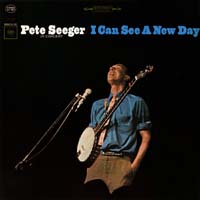 1964I Can See a New Day
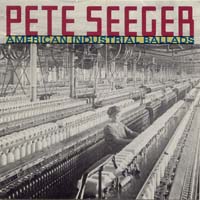 1956American Industrial Ballads