

Styx raises the bar with The Grand Illusion
The Grand Illusion- Album Overview
"The Grand Illusion," released on July 7, 1977, is the seventh studio album by American rock band Styx. It was produced by the band along with John Ryan and was released under the A&M Records label. The album represents a significant moment in the evolution of progressive rock, blending elements of hard rock and pop to create a sound that was both commercially viable and artistically ambitious. Recorded at the famed Paragon Studios in Chicago, the album features a rich tapestry of musical textures, driven by the band's dual lead vocals from Dennis DeYoung and Tommy Shaw, along with James Young's guitar work and Chuck Panozzo's rhythm section. The album includes some of Styx's most enduring tracks, including the iconic "Come Sail Away," which became a staple of classic rock radio. The song's blend of orchestral arrangement and rock instrumentation exemplifies the band's ability to merge different musical styles. Other notable tracks include "The Grand Illusion," which serves as a thematic centerpiece, and "Fooling Yourself (The Angry Young Man)," showcasing the band's lyrical depth and musical craftsmanship. The album was a commercial success, reaching No. 6 on the Billboard 200 chart and being certified triple platinum, marking Styx's rise to superstardom in the late 1970s. The cultural significance of "The Grand Illusion" lies not only in its musical innovation but also in its exploration of themes such as self-identity and the nature of reality, resonating deeply with the era's youth.
Review
"The Grand Illusion" is a masterclass in blending melodic rock with progressive elements, showcasing Styx's artistic vision. The album opens with its title track, a declaration of the band's intent to challenge listeners' perceptions. The lush production, marked by rich harmonies and intricate arrangements, sets the tone for a journey through both sound and thought. Lyrically, the album delves into philosophical questions, particularly in tracks like "Come Sail Away," which juxtaposes a yearning for escape with a sense of introspection. The duality of DeYoung's theatrical vocals and Shaw's more grounded delivery adds depth to the narrative, making each track resonate on multiple levels. The instrumentation is equally impressive; the use of synthesizers and strings enhances the progressive rock feel while maintaining a strong melodic core. Styx manages to balance complexity with accessibility, making "The Grand Illusion" not only an artistic statement but also a commercial powerhouse. Overall, the album stands as a testament to Styx's ability to innovate while appealing to a broad audience, solidifying their place in rock history.
Highlights
- Innovative blend of rock and orchestral elements.
- Strong lyrical themes that resonate with listeners.
- Commercial success with enduring classics like "Come Sail Away."
Weak points
- Some tracks may feel overly theatrical for certain listeners.
- The album's length could be seen as excessive by modern standards.
- A few songs might lack the immediate impact of the singles.
Overall evaluation
"The Grand Illusion" solidifies Styx's reputation as a pioneering force in rock music, merging artistry with mass appeal. Its exploration of complex themes and musicality makes it a landmark album of the 1970s.
Personal rating: 9/10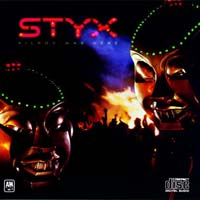 1983Kilroy Was Here
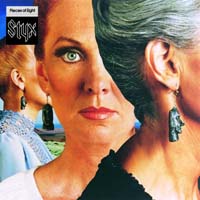 1978Pieces of Eight
 1976Crystal Ball
 1974Man of Miracles