

Styx returns with Paradise Theatre
Paradise Theatre- Album Overview
Released on January 19, 1981, "Paradise Theatre" is Styx's fourth studio album, marking a significant moment in the band's trajectory. Hailing from the United States, Styx blends rock with progressive elements, creating a sound that resonates with a diverse audience. The album was released under A&M Records and produced by the band alongside Gary Loizzo, ensuring a polished sound that showcases their unique blend of rock and theatricality. "Paradise Theatre" is a concept album that reflects the decline of a Chicago theater, paralleling the band's own struggles and triumphs in the music industry during that era.
The album features notable tracks such as "The Best of Times," which became a chart-topping single and remains one of the band's most enduring anthems, as well as "Too Much Time on My Hands" and "Nothing Ever Goes as Planned." Styx's ability to fuse rock with elements of pop and progressive rock not only garnered them commercial success but also solidified their place in the pantheon of classic rock bands. The theatrical aspect of their performance and storytelling is encapsulated in the album's narrative, making it a standout in their discography. In terms of cultural significance, "Paradise Theatre" reflects the early '80s rock scene, showcasing a blend of ambition and musical experimentation that would influence many artists in the years to follow.
Review
"Paradise Theatre" is a testament to Styx's artistic vision, marrying elaborate musical compositions with poignant storytelling. The album opens with the grandiosity of "The Best of Times," which perfectly sets the tone for the thematic exploration of nostalgia and loss. The instrumentation is rich and layered, featuring synthesizers, guitar solos, and orchestration that elevate the listening experience. Lyrically, Styx explores the highs and lows of life, reflecting both personal and universal themes. While some tracks like "Rockin' the Paradise" lean towards a more upbeat sound, others delve into introspection, showcasing the band's versatility. However, the ambitious narrative may occasionally feel convoluted, risking listener engagement. Overall, the album captures a pivotal moment in both Styx's career and the evolution of rock music in the early '80s.
Highlights
- Rich, layered instrumentation that showcases Styx's musical versatility.
- Memorable and timeless singles that have become staples in classic rock.
- A compelling narrative that reflects the band's personal and artistic journey.
Weak points
- Some tracks may feel overly ambitious, potentially alienating casual listeners.
- The concept may lack clarity at times, making it difficult to follow the storyline.
- Production choices may feel dated to modern audiences, lacking the raw edge of earlier works.
Overall evaluation
"Paradise Theatre" is a landmark album that encapsulates the essence of Styx's artistic ambitions and musical prowess. While it has its flaws, the album's strengths far outweigh them, making it a cherished part of rock history.
Personal rating: 8/10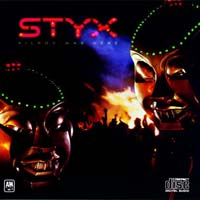 1983Kilroy Was Here
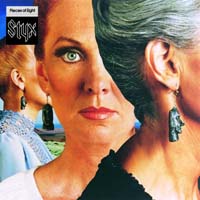 1978Pieces of Eight
 1976Crystal Ball
 1974Man of Miracles