

Cornerstone: what Styx wants you to feel
Cornerstone- Album Overview
Released on June 19, 1979, "Cornerstone" is Styx's fourth studio album and marked a pivotal moment in the band's evolution, showcasing their blend of rock, pop, and progressive elements. Produced by the band alongside John Ryan, it was released under the A&M Records label. The recording took place in the late 1978 at several studios, including the famed Paradise Studios in Los Angeles. This album is notable for its commercial success and critical acclaim, reaching No. 2 on the Billboard 200 chart and remaining one of Styx's best-selling albums, certified triple platinum by the RIAA.
The album features some of Styx's most enduring tracks, including "Babe," which became a massive hit, reaching No. 1 on the Billboard Hot 100 chart, and "Too Much Time on My Hands," which also enjoyed significant radio play. Lyrically, "Cornerstone" explores themes of love, longing, and introspection, all wrapped in a lush, melodic sound that characterized Styx's style during the late '70s. Collaborators on the album included keyboardist Dennis DeYoung, guitarist Tommy Shaw, and bassist Chuck Panozzo, who contributed to the album's intricate arrangements and harmonies.
Musically, "Cornerstone" is significant for its fusion of rock with orchestral elements, showcasing Styx's ambition and willingness to experiment. The album's blend of catchy hooks and sophisticated compositions paved the way for the band's future projects, while also influencing the sound of rock music in the late '70s. Styx's ability to balance commercial appeal with artistic integrity is evident throughout the album, making "Cornerstone" a landmark release in their discography and in the progressive rock genre.
Review
"Cornerstone" is a testament to Styx's knack for crafting anthemic choruses and engaging lyrics. The album's opener, "Lights," sets a reflective tone that weaves through the record, while "Babe" epitomizes the band's ability to merge heartfelt emotion with catchy melodies. Styx's sound during this period is marked by rich harmonies and polished production, showcasing the band's technical prowess and songwriting skills.
Lyrically, the album navigates the complexities of relationships and the human experience, resonating with a wide audience. However, the shift towards more radio-friendly tracks, particularly with "Babe," drew some criticism from purists who preferred the band's earlier, more progressive rock-oriented material. Despite this, "Cornerstone" manages to maintain Styx's identity while appealing to a broader demographic, making it a significant entry in their catalog. Overall, the album encapsulates the essence of late '70s rock, with its lush soundscapes and emotive storytelling.
Highlights
- The memorable hit "Babe," which showcases Styx's ability to create emotional ballads.
- Intricate harmonies and musicianship that highlight the band's progressive rock roots.
- A seamless blend of rock and orchestral elements, demonstrating Styx’s ambitious sound.
Weak points
- Some tracks may feel overly polished and radio-oriented, straying from their progressive rock origins.
- The album's ballads may not resonate with listeners preferring their heavier rock sound.
- Critics argue that the commercial success of "Babe" overshadowed the band’s more complex compositions.
Overall evaluation
"Cornerstone" stands as a strong representation of Styx's adaptability and appeal during the late '70s rock scene. While it leans into radio-friendly territory, it remains a compelling listen for fans and newcomers alike, showcasing the band's talent for blending heartfelt lyrics with rich musicality.
Personal rating: 8/10 1983Kilroy Was Here
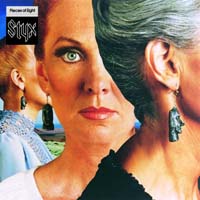 1978Pieces of Eight
 1976Crystal Ball
 1974Man of Miracles