ALBUM NOTESStan Kenton experiments boldly on The Formative Years
The Formative Years- Album Overview
Stan Kenton's "The Formative Years," released in 1950, stands as a crucial testament to the evolution of jazz and big band music during the post-war era. Recorded under the Capitol Records label, this album encapsulates Kenton's innovative approach to orchestration and arrangement, which set new standards in the genre. Featuring a rich ensemble of musicians, including notable collaborators such as composer and arranger Pete Rugolo, the album showcases a variety of musical styles that reflect the eclectic influences of the time.
The tracks on "The Formative Years" highlight Kenton's bold experimentation with harmonies and rhythms, often pushing the boundaries of traditional jazz forms. The album includes standout compositions such as "Artistry in Rhythm" and "Concerto to End All Concertos," each demonstrating Kenton's signature blend of intricate arrangements and dynamic performances. The recording sessions involved a diverse lineup of accomplished musicians, contributing to the album's vibrant sound.
Culturally, "The Formative Years" played a significant role in shaping the direction of modern jazz, influencing future generations of musicians. The album is recognized not only for its artistic merit but also for its impact on the jazz scene, paving the way for more experimental and progressive forms of music. Kenton’s daring vision, combined with his commitment to artistic integrity, makes this album a landmark in the history of jazz.
Review
Stan Kenton's "The Formative Years" is a bold exploration of the boundaries of jazz, characterized by its intricate arrangements and innovative orchestration. The album captures a moment in time when jazz was evolving, and Kenton was at the forefront of this transformation. The sound is rich and layered, with a full brass section that often takes center stage, complemented by a deep rhythm section that drives the music forward.
Kenton's artistic vision is evident throughout the album, as he blends elements of classical music with jazz, creating an orchestral sound that was both refreshing and groundbreaking. The compositions are complex, yet accessible, showcasing Kenton's ability to balance artistic ambition with audience engagement. While the album does not feature traditional lyrics, the instrumental storytelling is compelling, inviting listeners to immerse themselves in the diverse soundscapes. Kenton's experimentation with time signatures and harmonies creates a unique listening experience that challenges the conventions of the genre.
Highlights
- Innovative orchestration and arrangements that push jazz boundaries.
- Strong collaborative efforts with talented musicians and arrangers.
- Tracks like "Artistry in Rhythm" stand out for their complexity and vibrancy.
Weak points
- Some tracks may feel overly complex for casual listeners.
- The absence of vocal tracks might limit appeal to broader audiences.
- Occasional moments of dissonance that could alienate traditional jazz purists.
Overall evaluation
Stan Kenton's "The Formative Years" is a compelling showcase of innovative jazz that remains influential to this day. Its rich sound and bold experimentation make it a significant work in the genre, although its complexity may not resonate with all listeners.
Personal rating: 8/10

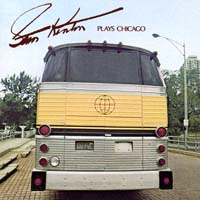
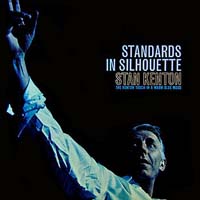 1998Standards in Silhouette
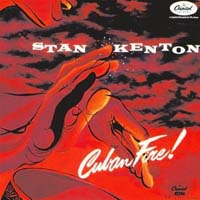 1991Cuban Fire
 0Adventures in Time