ALBUM NOTESBreaking down the themes in Kenton's West Side Story by Stan Kenton
Kenton's West Side Story- Album Overview
Stan Kenton's "Kenton's West Side Story," released in 1963, is a bold reinterpretation of Leonard Bernstein's iconic musical. This album showcases Kenton's innovative big band style, merging jazz with elements of classical music, which was a hallmark of his career. The recording, released under the Capitol Records label, features a stellar ensemble that includes notable musicians such as trumpeter Maynard Ferguson and saxophonist Bill Perkins, both of whom played pivotal roles in delivering Kenton's ambitious arrangements.
The album consists of nine tracks, all of which reflect the vibrant yet tumultuous themes of urban life, love, and conflict portrayed in Bernstein's original work. Kenton's arrangements breathe new life into the familiar melodies, transforming songs like "Maria" and "Tonight" into expansive jazz pieces that explore intricate harmonies and dynamic rhythms. The album also features a rich orchestration, combining brass, woodwinds, and a rhythm section that captures the essence of both jazz and the theatrical spirit of the original musical.
Kenton's West Side Story stands out not only for its musical prowess but also for its cultural significance, as it reflects the evolving landscape of jazz in the early 1960s—a time when artists were increasingly blurring the lines between genres. The album received critical acclaim and has since become an essential part of the jazz repertoire, showcasing Kenton's vision of jazz as a serious art form capable of conveying complex narratives and emotions.
Review
Kenton's West Side Story is a masterclass in orchestration and arrangement, demonstrating Stan Kenton's skill at transforming existing material into something wholly unique. The album's sound is characterized by rich harmonies, bold brass sections, and intricate woodwind passages that create a lush sonic landscape. Each track is a journey, with Kenton's arrangements allowing for both individual expression and collective synergy among the musicians.
Lyrically, while the album does not contain vocals like the original musical, the instrumental interpretations convey the emotional weight of the story, from the passionate longing in "Maria" to the climactic tension of "Cool." Kenton's ability to evoke narrative through instrumentation alone is a testament to his artistic vision and understanding of jazz as a storytelling medium.
Overall, the album captures the essence of West Side Story while simultaneously pushing the boundaries of jazz, making it a significant contribution to both musical theatre and the jazz genre.
Highlights
- Innovative arrangements that breathe new life into classic melodies.
- Exceptional musicianship from a talented ensemble, showcasing virtuosic performances.
- A seamless blend of jazz and theatrical elements that enhances the narrative depth of the music.
Weak points
- Some listeners may find the lack of vocals a departure from the original experience of West Side Story.
- The complexity of arrangements may overwhelm casual listeners unfamiliar with jazz intricacies.
- The album's ambitious scope might not resonate with all jazz purists who prefer traditional forms.
Overall evaluation
Kenton's West Side Story is a bold and creative reinterpretation that successfully merges jazz with theatrical storytelling. Its innovative arrangements and rich ensemble work make it a standout in both Kenton's discography and the broader jazz landscape.
Personal rating: 8/10

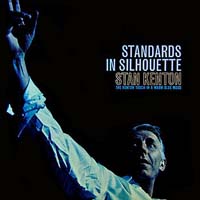 1998Standards in Silhouette
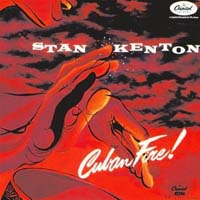 1991Cuban Fire
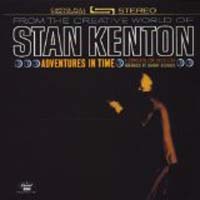 0Adventures in Time