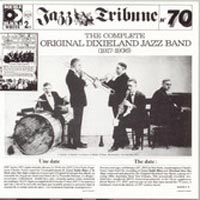
ALBUM NOTESReview of Original Dixieland Jazz Band – The First Jazz Recordings 1917–1921
The First Jazz Recordings 1917–1921- Album Overview
The Original Dixieland Jazz Band (ODJB) is often hailed as one of the first groups to popularize jazz music, with their recordings from 1917 to 1921 representing a pivotal moment in the genre's history. "The First Jazz Recordings 1917–1921," released in 1953 by Columbia Records, compiles these historic tracks that were initially recorded during a period when jazz was just beginning to gain traction in the United States and around the world. The band's recordings, primarily featuring cornet player Nick LaRocca, clarinetist Larry Shields, trombonist Eddie Edwards, pianist Henry Ragas, and drummer Tony Sbarbaro, introduced the world to a new sound characterized by syncopated rhythms and collective improvisation.
ODJB's first recording, "Livery Stable Blues," is often cited as the first jazz record, released in February 1917. It was groundbreaking, showcasing a blend of New Orleans musical traditions with a distinct style that would set the stage for future jazz musicians. The album features classics like "Dixie Jass Band One-Step" and "Tiger Rag," tracks that not only highlight the band's virtuosity but also their ability to engage listeners with lively and infectious rhythms.
The cultural significance of these recordings cannot be overstated. They reflect a time when jazz was evolving from its ragtime roots, capturing the spirit of the Roaring Twenties. As the first group to record jazz, ODJB played a crucial role in popularizing the genre, paving the way for future artists and solidifying jazz's place in American music history.
Review
The sound of "The First Jazz Recordings 1917–1921" is both raw and exhilarating, embodying the early energy of jazz music. The recordings, although limited by the technology of the time, showcase the band's ability to create a lively atmosphere through their spirited performances. Each musician contributes to the overall sound, with LaRocca's cornet leading the charge while Shields' clarinet adds embellishments that are both playful and intricate.
Lyrically, the tracks may not delve deep into poetic themes, but they capture the essence of early 20th-century American life with a playful spirit. The musical arrangements are characterized by their improvisational nature, a hallmark of jazz that would continue to evolve. The artistic vision of ODJB was one of celebration and spontaneity, inviting listeners to experience the joy of music in its most organic form.
While the band may not have the polished sound of modern jazz, their recordings are a vibrant testament to the genre's roots and the infectious energy that would inspire countless musicians in the decades to come.
Highlights
- Groundbreaking historical significance as one of the first jazz recordings.
- Energetic performances that capture the spirit of early jazz.
- Iconic tracks that remain influential in the jazz genre today.
Weak points
- Audio quality reflects the limitations of early recording technology.
- Lack of lyrical depth compared to later jazz compositions.
- Repetitive structures in some tracks may not engage all listeners.
Overall evaluation
Overall, "The First Jazz Recordings 1917–1921" is a crucial collection for anyone interested in the origins of jazz music. It provides a fascinating glimpse into a transformative period in American music history while showcasing the talents of a pioneering band.
Personal rating: 8/10