

Why Talk Talk's The Colour of Spring matters
The Colour of Spring- Album Overview
"The Colour of Spring," released in 1986, marks a significant turning point in the discography of British band Talk Talk. Released by the EMI label, this album was the third studio effort from the band, following their earlier synth-pop works. The album was produced by the band members themselves, particularly focusing on Mark Hollis, who played a pivotal role in shaping its sound. The recording sessions took place at the legendary Townhouse Studios in London, where Talk Talk experimented with a mix of acoustic and electronic instrumentation, setting the stage for a sound that would later be defined as post-rock.
The album features a collection of tracks that blend elements of rock, jazz, and ambient music, showcasing the band’s musical evolution. Notable singles from the album include "Life's What You Make It" and "Give It Up," both of which received considerable airplay and contributed to the band's growing reputation. Lyrically, the album explores themes of introspection, existentialism, and the human experience, with Hollis's evocative vocals driving the emotional weight of the songs.
The Colour of Spring is often credited with influencing a wide range of genres, particularly alternative and post-rock, which would gain prominence in the following decades. Its innovative approach to song structure and sound has led many critics to regard it as a precursor to what would later be termed "art rock." The album’s legacy continues to resonate, inspiring musicians and listeners alike with its artistic ambition and emotional depth.
Review
The Colour of Spring is a masterclass in sonic exploration, where Talk Talk transcends the confines of their earlier synth-pop roots. The album opens with the stirring "Happiness Is Easy," immediately showcasing the band's shift towards a more organic sound. The instrumentation is rich and diverse, melding lush strings, intricate guitar work, and subtle electronic textures. Mark Hollis's vocals are both haunting and soulful, imbuing the lyrics with a sense of urgency and introspection that resonates deeply.
Lyrically, the album navigates complex themes, often reflecting on the nature of existence and the struggle for meaning in a chaotic world. Tracks like "Life's What You Make It" deliver a poignant message wrapped in a vibrant soundscape, while "Time It's Time" invites listeners into a contemplative space. The seamless transitions between tracks create an almost cinematic experience, allowing the listener to immerse themselves fully in the album's emotional journey.
Overall, The Colour of Spring stands as a bold artistic statement, challenging the conventional boundaries of pop music. Talk Talk's willingness to explore new territories is not only admirable but transformative, laying the groundwork for future innovators in the genre.
Highlights
- Innovative blend of acoustic and electronic instrumentation.
- Emotionally resonant lyrics that explore complex themes.
- Mark Hollis's haunting and soulful vocal delivery.
Weak points
- Some tracks may feel meandering to listeners accustomed to pop structures.
- The shift in sound may alienate fans of their earlier work.
- Lack of commercial hits compared to mainstream standards of the time.
Overall evaluation
The Colour of Spring represents a significant artistic evolution for Talk Talk, pushing the boundaries of what popular music could achieve in the mid-1980s. Its influence is felt to this day, making it a crucial listen for anyone interested in the development of modern music.
Personal rating: 9/10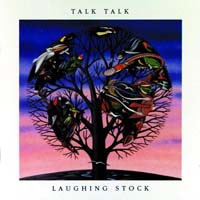 1991Laughing Stock
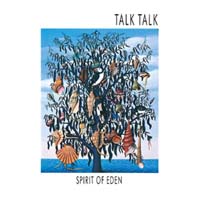 1988Spirit of Eden