
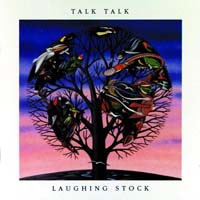
Talk Talk raises the bar with Laughing Stock
Laughing Stock- Album Overview
"Laughing Stock," released in 1991, is the fifth and final studio album by the British band Talk Talk. This album marked a significant departure from the band's earlier synth-pop sound, embracing a more experimental and avant-garde approach. Released under the Polydor and EMI labels, "Laughing Stock" was produced by the band's frontman, Mark Hollis, alongside Tim Friese-Greene, who had collaborated with Talk Talk on previous projects. The recording sessions took place at the Wool Hall Studios in Bath, England, and the album was created in a context of creative freedom, allowing the band to explore complex arrangements and a more organic sound. The album includes just six tracks, each showcasing an extraordinary depth of texture and emotion. The standout tracks include "After the Flood," which opens with a haunting instrumental, and "New Grass," characterized by its intricate layering of sound and melancholic lyrics. Despite its experimental nature, "Laughing Stock" features elements of jazz, post-rock, and ambient music, which were ahead of its time and influenced many artists in the years to come. Though not released as a conventional single, the album's tracks have left a lasting impact and have been widely praised in retrospective reviews. Its cultural significance lies not only in its sonic innovations but also in its exploration of themes such as isolation, existentialism, and the human condition, solidifying Talk Talk's legacy as pioneers in the post-rock genre. "Laughing Stock" stands as a testament to the band's courage to evolve artistically, leaving behind the mainstream to create something profoundly unique.
Review
"Laughing Stock" is a masterclass in sonic experimentation, showcasing Talk Talk's remarkable ability to blend disparate musical elements into a cohesive yet challenging listening experience. The album's sound is characterized by its spaciousness and dynamic range, with each instrument carefully placed to create a rich auditory landscape. Mark Hollis's vocals are hauntingly beautiful, often conveying a sense of vulnerability that resonates deeply with listeners. The lyrics are introspective and cryptic, inviting listeners to engage with the music on a more emotional level. Tracks like "Ascension" and "Taphead" reflect a sense of searching and yearning, perfectly matched by the album's atmospheric instrumentation. The use of silence and pauses throughout the album adds to its emotional weight, creating tension and release in unexpected ways. Artistically, "Laughing Stock" challenges the conventions of popular music, opting for a more fluid and organic approach rather than relying on traditional song structures. This willingness to defy categorization marks a significant evolution for Talk Talk, and the album remains a crucial point of reference for those interested in the intersection of rock and avant-garde music.
Highlights
- The bold departure from synth-pop to a more organic, avant-garde sound.
- The intricate layering of instruments creates a rich and immersive listening experience.
- Mark Hollis's haunting vocals and introspective lyrics resonate deeply with listeners.
Weak points
- The experimental nature may alienate casual listeners used to mainstream music.
- Some tracks may feel overly long or meandering for those seeking immediate gratification.
- Lack of conventional singles may limit broader appeal and radio play.
Overall evaluation
"Laughing Stock" is a groundbreaking album that redefined the potential of rock music in the early '90s. Its artistic vision and emotional depth continue to influence musicians today. Talk Talk's final offering is not merely an album; it is an experience that challenges and rewards the listener.
Personal rating: 9/10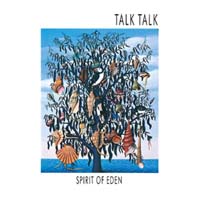 1988Spirit of Eden
 1986The Colour of Spring