Biography
Talk Talk: history and sound
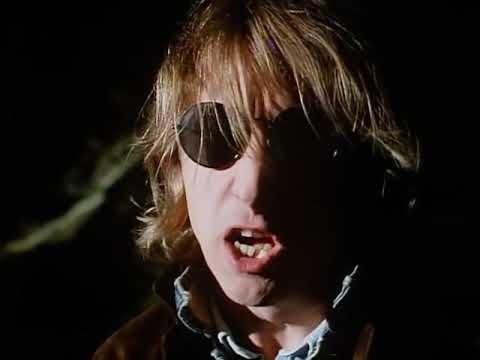
Talk Talk were an English musical group, active from 1981 to 1991. The group was part of the British new wave movement. Talk Talk's influence on popular music has been notable since their emergence in the early 1980s. From the signature sound of their poppier output, to their progressive deeper and ambient electronic experiments, almost every song showcases a blend of mesmerizing vocals, beautifully structured instrumentation and some pertinent socio-political lyrical content. And even today you will find ripples of their distinctive aesthetics incorporated in fresh new music; evidence that Talk Talk's unique approach is etched for timeless appreciation. To understand their ground-breaking legacy, it’s best to look back on some classic songs that became synonymous with the era before the band quietly bowed off from active touring with time due to reasons explained by its reclusive frontman, Mark Hollis.
Talk Talk - How the Band Redefined the Music Industry
Talk Talk, a band that started in the new wave scene in the 80s, is renowned for their innovative and complex soundscapes that pushed the limits of rock and pop. Their growth musically from simple pop songs to more sophisticated styles of music encompassing jazz, avant-garde, and ambient soundscapes were a benchmark in the music industry. In this blog post, we will delve into the life of the band, look at their music genre, chart their best songs, highlight their most famous concerts, and provide a critique on their musical style.
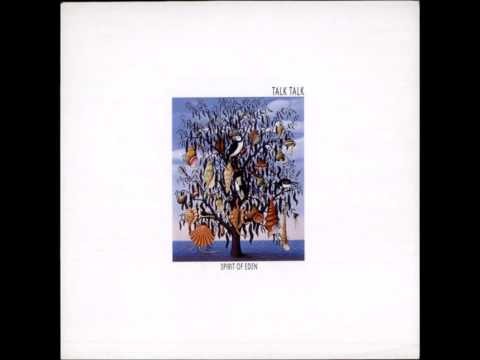
It is difficult to put Talk Talk in a specific music genre as their sound revolves around different styles of music. With Mark Hollis's direction, the band's fourth album, Spirit of Eden, moved the band from its pop-oriented past to explorations that were far beyond most musicians. The music went beyond the conventional rock song form, and they made a transition to a more experimental, abstract, and layered sound that incorporated classical, jazz, and art rock influences.
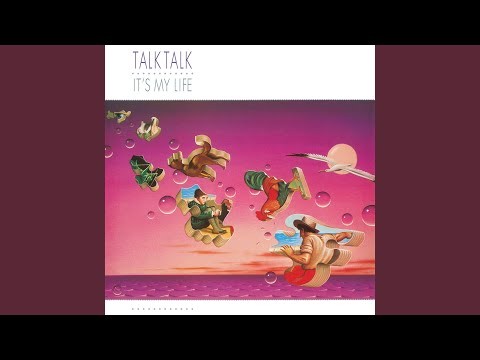
Talk Talk is known for their excellent music that has made its way to many playlists and music compilations. Some of their songs like Life's What You Make It, It's My Life, and Talk Talk are just a few examples of the band's best music that stands the test of time. These songs were not only radio hits but also made their way into the charts, proving the band's wide appeal across all ages.
Talk Talk was not known for their live performances, but they did give some unforgettable concerts. One such performance, Talk Talk at Montreaux Jazz Festival 1986, was an ethereal experience that showcased how the band created and conceptualized music in a live setting. The show featured their trademark instrumentation, including a variety of saxophones, guitars, a Fender Rhodes piano, and an Emily electric organ, all creating an extraordinary sonic palette that transformed the concert.
Critics keep returning to Talk Talk albums, praising the band for its masterful songwriting, innovative and groundbreaking twists, and diversifying soundscapes. The band's final album, Laughing Stock, cemented their legacy in music history as the band's magnum opus and one of the best albums to come out of the 90s. Even Radiohead's Thom Yorke credits the band for their influence on his musical career.
Talk Talk has no doubt become a cornerstone of the music industry. Their music has shaped many across the globe, laying out the blueprint for many artists to follow. The band's genre-bending work still captivates people today, long after they disbanded in 1991. Talk Talk's legacy attests to the danger of defining a musical act narrowly and underestimating their potential. Their music is timeless, and it is doubtful that anyone could listen to them without being awe-inspired by their musical brilliance.
Talk Talk - How the Band Redefined the Music Industry
Talk Talk, a band that started in the new wave scene in the 80s, is renowned for their innovative and complex soundscapes that pushed the limits of rock and pop. Their growth musically from simple pop songs to more sophisticated styles of music encompassing jazz, avant-garde, and ambient soundscapes were a benchmark in the music industry. In this blog post, we will delve into the life of the band, look at their music genre, chart their best songs, highlight their most famous concerts, and provide a critique on their musical style.
It is difficult to put Talk Talk in a specific music genre as their sound revolves around different styles of music. With Mark Hollis's direction, the band's fourth album, Spirit of Eden, moved the band from its pop-oriented past to explorations that were far beyond most musicians. The music went beyond the conventional rock song form, and they made a transition to a more experimental, abstract, and layered sound that incorporated classical, jazz, and art rock influences.
Talk Talk is known for their excellent music that has made its way to many playlists and music compilations. Some of their songs like Life's What You Make It, It's My Life, and Talk Talk are just a few examples of the band's best music that stands the test of time. These songs were not only radio hits but also made their way into the charts, proving the band's wide appeal across all ages.
Talk Talk was not known for their live performances, but they did give some unforgettable concerts. One such performance, Talk Talk at Montreaux Jazz Festival 1986, was an ethereal experience that showcased how the band created and conceptualized music in a live setting. The show featured their trademark instrumentation, including a variety of saxophones, guitars, a Fender Rhodes piano, and an Emily electric organ, all creating an extraordinary sonic palette that transformed the concert.
Critics keep returning to Talk Talk albums, praising the band for its masterful songwriting, innovative and groundbreaking twists, and diversifying soundscapes. The band's final album, Laughing Stock, cemented their legacy in music history as the band's magnum opus and one of the best albums to come out of the 90s. Even Radiohead's Thom Yorke credits the band for their influence on his musical career.
Talk Talk has no doubt become a cornerstone of the music industry. Their music has shaped many across the globe, laying out the blueprint for many artists to follow. The band's genre-bending work still captivates people today, long after they disbanded in 1991. Talk Talk's legacy attests to the danger of defining a musical act narrowly and underestimating their potential. Their music is timeless, and it is doubtful that anyone could listen to them without being awe-inspired by their musical brilliance.