
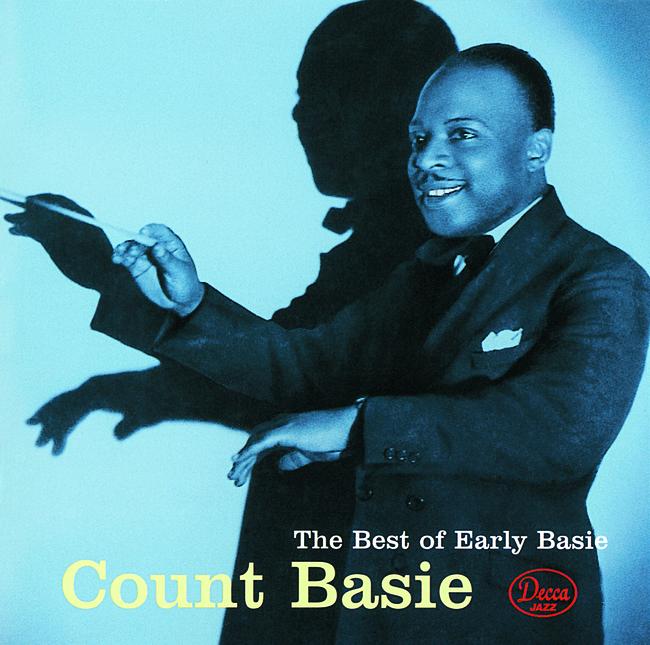
Is The Board Of Directors Annual Report Count Basie's best work yet?
The Board Of Directors Annual Report- Album Overview
"The Board of Directors Annual Report" is a 1972 studio album by the legendary jazz pianist and bandleader Count Basie, released under the Verve Records label. This album showcases Basie's masterful command of big band jazz and his unique ability to blend intricate arrangements with soulful improvisation. It features a roster of talented musicians, including notable names from the jazz scene, such as saxophonist Frank Wess and trumpeter Thad Jones, both of whom contribute to the rich sound that defines this work.
The recording sessions took place at the legendary Van Gelder Studio, known for its high-quality sound and historical significance in the jazz genre. Produced by the esteemed Norman Granz, this album stands out not only for its musical excellence but also for its innovative approach to the big band format, merging traditional jazz elements with contemporary influences of the time.
Among the tracks featured are "The Man I Love," "Makin' Whoopee," and "Jumpin' at the Woodside," each displaying Basie's signature swing and the band’s tight cohesion. The album, while not as commercially successful as some of Basie's earlier works, represents a period of creative exploration for the artist, highlighting his ability to adapt to the evolving jazz landscape of the 1970s. It continues to hold cultural significance as a testament to Basie's impact on jazz music and his enduring legacy as one of the genre's greatest figures.
Review
The sound of "The Board of Directors Annual Report" is quintessentially Basie, imbued with a vibrant energy that captures the essence of big band jazz. The arrangements are tight, yet there's a palpable sense of freedom that allows individual musicians to shine. Basie's piano work is both understated and powerful, serving as a backbone to the ensemble while also providing moments of intricate solos. The album is characterized by its swinging rhythms, rich brass sections, and the smooth interplay between instruments, all hallmarks of Basie's sound.
Lyrically, the album doesn't focus heavily on vocals, as it primarily showcases instrumental prowess. However, when vocals are present, they complement the overall vibe without overshadowing the intricate musicianship. The artistic vision here is clear: to celebrate the big band tradition while pushing its boundaries, a goal that Basie achieves with grace and sophistication.
Highlights
- Exceptional musicianship from a talented ensemble of jazz artists.
- Masterful blending of traditional big band elements with contemporary jazz influences.
- Memorable arrangements that highlight Basie's signature style and improvisational flair.
Weak points
- Some tracks may feel less impactful compared to Basie's more iconic albums.
- Lack of vocal tracks may alienate listeners seeking lyrical content.
- Not all songs achieve the same level of energy and engagement.
Overall evaluation
While "The Board of Directors Annual Report" may not be considered Count Basie's definitive work, it certainly showcases his unparalleled skill and adaptability as a jazz musician. It serves as a solid addition to his discography, reflecting both the artist's journey and the evolving landscape of jazz in the early 1970s.
Personal rating: 7/10 1991Basie One More Time