
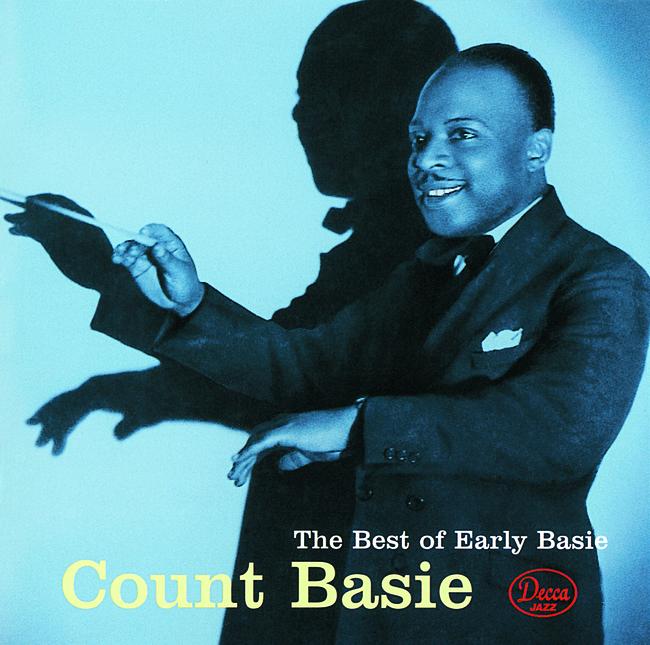
One week with Jazztime: thoughts on Count Basie
Jazztime- Album Overview
"Jazztime," released in 1962, is a pivotal album in Count Basie's illustrious career, showcasing his distinct style of big band jazz. Produced by Norman Granz, this album was recorded under the Verve Records label, which was known for its high-quality jazz productions. The sessions took place in a time when Basie was revitalizing his sound, blending traditional swing with modern jazz influences. The album features a stellar ensemble, including prominent musicians such as Frank Wess on flute and tenor saxophone, and Thad Jones on trumpet, both of whom contribute to the album's rich texture. "Jazztime" consists of a collection of tracks that highlight Basie's prowess at the piano and his ability to lead a band with a laid-back yet driving energy. Notable tracks include "The Kid from Red Bank" and "One O'Clock Jump," both of which exemplify Basie's knack for rhythm and melody. The album's arrangements reflect the creative synergy among the musicians, resulting in a cohesive sound that carries the listener through a vibrant auditory landscape. Culturally, "Jazztime" stands as a testament to the evolution of jazz in the early 1960s, a period marked by experimentation and a blending of genres. This album not only solidified Basie's status as a jazz icon but also influenced a generation of musicians who sought to incorporate elements of big band jazz into their work. It remains a significant entry in Basie's discography, showcasing the timelessness of his music and the enduring appeal of jazz as an art form.
Review
Listening to "Jazztime" is akin to taking a masterclass in jazz dynamics. Count Basie’s ability to seamlessly weave together the intricate interplay of the band while maintaining an accessible sound is a hallmark of this album. The arrangements are sophisticated yet inviting, showcasing the interplay between the brass and rhythm sections without overwhelming the listener. The album strikes a delicate balance between structured compositions and the improvisational spirit of jazz, a testament to Basie’s artistic vision. Each track offers a fresh perspective on the classic big band sound, with vibrant solos that invite listeners to lose themselves in the music. The overall production is polished, allowing the natural resonance of the instruments to shine through clearly. While Basie's piano work is undeniably the centerpiece, it is the collective effort of the ensemble that elevates "Jazztime" into something truly remarkable. The synergy among the musicians is palpable, making each track feel like a live performance, full of energy and spontaneity. This album not only reflects Basie's skill as a bandleader but also his deep understanding of jazz as a collaborative art form.
Highlights
- Exceptional musicianship and tight arrangements.
- Engaging solos that highlight individual talents within the ensemble.
- A perfect blend of traditional and modern jazz influences.
Weak points
- Some tracks may feel repetitive to listeners unfamiliar with jazz.
- Occasional lack of thematic depth in the compositions.
- Not all tracks maintain the same energy level, leading to slight pacing issues.
Overall evaluation
In summary, "Jazztime" by Count Basie is a delightful exploration of big band jazz that showcases the maestro's talents and the vibrant sound of his ensemble. While it has its minor flaws, its strengths far outweigh them, making it an essential listen for jazz enthusiasts and newcomers alike.
Personal rating: 8/10 1991Basie One More Time