
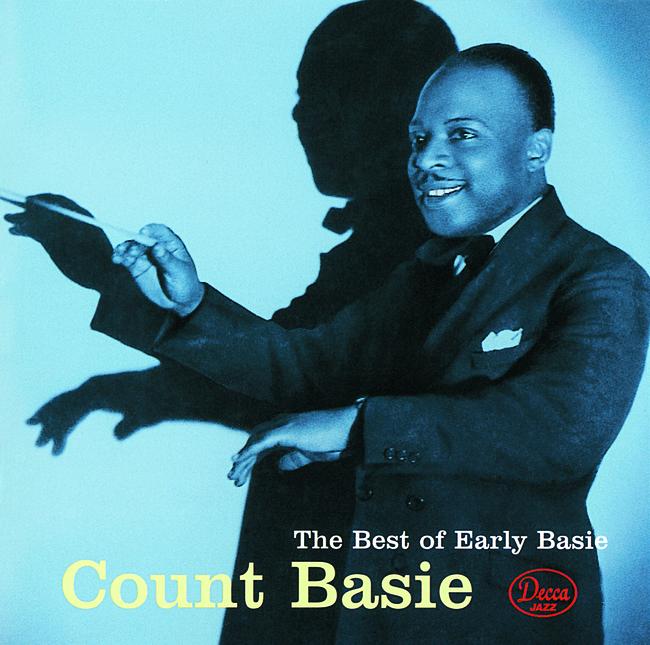
Listening to Swingstation by Count Basie
Swingstation- Album Overview
"Swingstation," released in 1970, is an exemplary showcase of Count Basie's enduring influence on the jazz genre, particularly in the realm of big band and swing music. This album was released under the Pablo Records label, a label renowned for its dedication to promoting jazz legends. Count Basie, who had already carved a monumental legacy in the music industry by that time, collaborated with a talented ensemble that included notable musicians such as Frank Wess on tenor saxophone and flute, and the formidable trumpet player, Snooky Young. The recording sessions took place at the famous Studio A in New York City, capturing the vibrant sound that characterized Basie's big band. "Swingstation" features a robust collection of tracks, primarily instrumental pieces that showcase the band’s impeccable timing and ensemble playing. The album includes classics like "April in Paris" and "Jumpin' at the Woodside," both of which highlight Basie's signature style: a blend of precision and spontaneity. The album's production is noteworthy for its crisp sound quality, which allows listeners to appreciate the intricate arrangements and the dynamic interplay between the instruments. The cultural significance of "Swingstation" cannot be overstated. This album arrived at a time when jazz was evolving, with younger generations beginning to experiment with fusion and other genres. However, Basie remained committed to the traditional swing sound, serving as a bridge between the past and the future of jazz. The album captures the essence of a live performance, imbuing the recordings with a sense of immediacy and excitement, which was a hallmark of Basie's legendary performances. The release of "Swingstation" reaffirmed Count Basie's position as one of the leading figures in jazz, a title he held with grace and innovation.
Review
Listening to "Swingstation" is akin to stepping into a vibrant jazz club where the air is thick with the energy of a live band. The album is a masterclass in swing, with Basie's piano work providing a rhythmic foundation that propels the ensemble forward. The arrangements are tight yet leave room for improvisation, allowing the individual musicians to shine. The interplay between the brass and woodwinds is particularly striking, with each section contributing to a cohesive yet dynamic sound. The tracks are imbued with a joyful spirit, a hallmark of Basie's style. Each song seems to invite the listener to tap their feet, nod their head, and succumb to the infectious rhythms. There is a palpable sense of camaraderie among the musicians that enhances the listening experience, making it feel as if one is part of the performance rather than a mere observer. However, the album does not rely solely on high-energy tracks. Moments of introspection, such as the lush melodies of "April in Paris," showcase a different side of Basie's artistry. These slower pieces highlight his ability to convey emotion through music, proving that he was not only a master of rhythm but also of melody and mood.
Highlights
- The infectious energy of the ensemble playing throughout the album.
- Count Basie's exceptional piano work, which drives the rhythm and adds depth to the arrangements.
- The seamless blend of classic swing with innovative arrangements that keep the sound fresh.
Weak points
- Some tracks may feel repetitive to listeners not accustomed to the swing genre.
- The production style, while crisp, may lack the raw energy of a live performance for some purists.
- Limited original compositions; the album primarily features jazz standards.
Overall evaluation
"Swingstation" stands as a testament to Count Basie's legacy, encapsulating the essence of swing and showcasing the brilliance of a master musician. While it may not break new ground in terms of original material, its execution and energy are undeniably captivating.
Personal rating: 8/10 1991Basie One More Time