ALBUM NOTESTriana experiments boldly on Tengo que marchar
Tengo que marchar- Album Overview
Tengo que marchar, released in 1982, is the fourth studio album by the legendary Spanish rock band Triana. Known for their pioneering fusion of flamenco and progressive rock, Triana continued to push musical boundaries with this release. The album was produced under the label Polydor and recorded at the legendary Estudios RCA in Madrid. The band's lineup during this period consisted of Jesús de la Rosa (vocals, keyboards), Eduardo Rodríguez Rodway (guitar), and Juan José “Pico” Palacios (drums).
The album features a blend of rock elements with traditional Andalusian influences, showcasing the band's ability to create a unique sound that resonated with both rock and flamenco audiences. Notably, the album includes tracks like "Sabor de amor" and "La luz," which exemplify Triana's lyrical depth and musical complexity. Despite not being as commercially successful as their earlier works, Tengo que marchar has gained recognition over the years for its artistic integrity and innovative approach. The lyrical themes often delve into existential reflections and the human experience, aligning with the cultural movements of the early '80s in Spain, a time marked by significant social change.
The album's release was accompanied by the single "Tengo que marchar," which further solidified the band's reputation as one of the leading figures in the Spanish rock scene. Triana's ability to blend genres and experiment with sound on this album has influenced many contemporary Spanish artists, making it a significant work in the landscape of Spanish music.
Review
Triana's Tengo que marchar is a bold statement of artistic evolution. The sound is a rich tapestry of progressive rock infused with flamenco rhythms, showcasing the band's technical prowess and deep musical roots. The instrumentation is both intricate and expansive; the guitar work is particularly noteworthy, weaving through complex melodies with an emotive flair that complements de la Rosa's poignant lyrics. The album's production quality is high, reflecting the band's commitment to crafting a polished yet authentic sound.
Lyrically, the album tackles themes of departure and introspection, resonating with the listener on multiple levels. The emotional weight of tracks like "Sabor de amor" balances beautifully with the vibrant instrumentation, creating an immersive listening experience. Triana's artistic vision shines through in their willingness to experiment, offering a blend of familiar and avant-garde sounds that invite listeners to explore the depths of their artistry.
Highlights
- Rich, emotive guitar work that elevates the overall sound.
- Intriguing fusion of progressive rock and flamenco elements.
- Lyrically profound, exploring themes of love and introspection.
Weak points
- A few tracks may feel less cohesive compared to the band's earlier works.
- Some listeners might find the experimental nature challenging.
- Limited commercial appeal at the time of release could overshadow its artistic merit.
Overall evaluation
Tengo que marchar stands as a testament to Triana's innovative spirit and dedication to their craft. While it may not have achieved the same level of acclaim as their earlier albums, its artistic richness and bold experimentation make it a significant entry in their discography.
Personal rating: 8/10

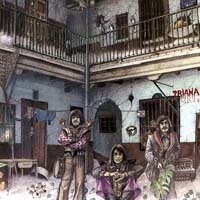
 1979Sombra y luz
 1977Hijos del agobio
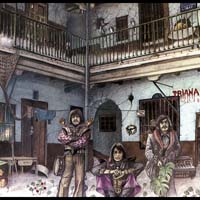 1975El patio