
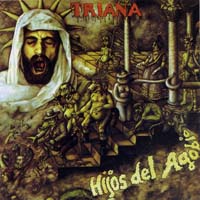
Hijos del agobio: the story Triana wants to tell
Hijos del agobio- Album Overview
"Hijos del agobio," released in 1977, is the second studio album by the pioneering Spanish rock band Triana. This album was released under the label Movieplay and showcases the band's distinctive fusion of rock music with traditional flamenco elements, which would go on to define the Andalusian progressive rock genre. The recording took place at the legendary Estudios Phonogram in Madrid, where the band collaborated with producer Manuel Ruiz, known for his ability to capture the band's unique sound.
Featuring tracks like "Abre la puerta," "La niña," and "El patio," the album demonstrates Triana's ability to meld poetic lyrics with intricate musical compositions. The lyrics, primarily penned by lead vocalist Jesús de la Rosa, reflect themes of existential angst and social commentary, resonating with the cultural climate of Spain during the late 1970s—a period marked by political transition and social upheaval following the end of Franco's regime.
The singles "La niña" and "Abre la puerta" gained significant airplay and contributed to the band's rising fame, establishing them as one of the prominent figures in the Spanish rock scene. With its innovative approach, "Hijos del agobio" not only solidified Triana's place in music history but also inspired a generation of artists, making it a landmark album in Spanish rock and an essential listen for those exploring the genre's evolution.
Review
The sound of "Hijos del agobio" is a rich tapestry woven with electric guitars, classical guitar, and traditional flamenco rhythms, creating an atmospheric experience that is both haunting and uplifting. The band's ability to intertwine these diverse musical influences showcases their artistic vision, pushing the boundaries of what rock music could encapsulate in Spain. Lyrically, the album is introspective and poignant, addressing themes of despair and hope that resonate deeply with listeners.
Each track carries its own emotional weight, supported by de la Rosa's powerful and evocative vocal delivery. The instrumentation is equally compelling, with intricate guitar solos and dynamic percussion that bring the songs to life. The juxtaposition of modern rock with traditional Andalusian sounds is not only innovative but also serves as a cultural commentary on the identity of Spain during a transformative era. The production quality reflects a meticulous attention to detail, allowing the richness of the sound to shine through.
Highlights
- Innovative fusion of rock and flamenco elements.
- Poignant and introspective lyrics that resonate with the cultural context of the time.
- Strong vocal performances and intricate musicianship throughout the album.
Weak points
- Some tracks may feel less accessible to listeners unfamiliar with flamenco influences.
- The album's introspective nature may not appeal to those seeking more upbeat music.
- Limited commercial reach outside of Spain at the time of release.
Overall evaluation
"Hijos del agobio" stands as a testament to Triana's artistic vision and is a crucial piece of Spanish rock history. Its blend of genres and profound lyrics create a timeless quality that continues to resonate with audiences today.
Personal rating: 9/10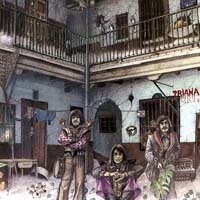 1997Un jardín eléctrico
 1979Sombra y luz
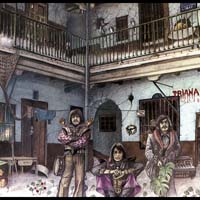 1975El patio