Biography
Triana: history and sound
Triana was a Spanish progressive rock band from the 1970s and early 1980s, heavily influenced by flamenco, hailing from Andalusia.
The Mysterious Genius of Triana: A Musical Biography
Triana is a legendary band in the Spanish music industry, known for its unique fusion of psychedelic rock and flamenco. Despite its brief career, Triana had a significant impact on the Spanish music scene and inspired generations of musicians. In this article, we will delve into the history and music of Triana, discussing their top hits, genre, famous concerts, and explore the mystique surrounding the band.
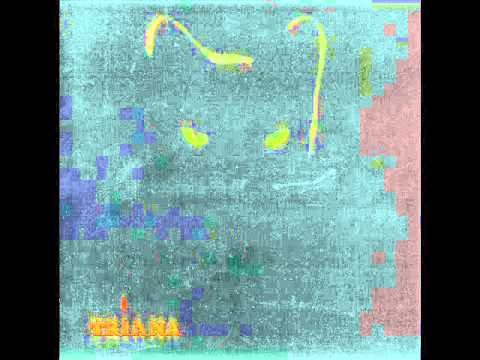
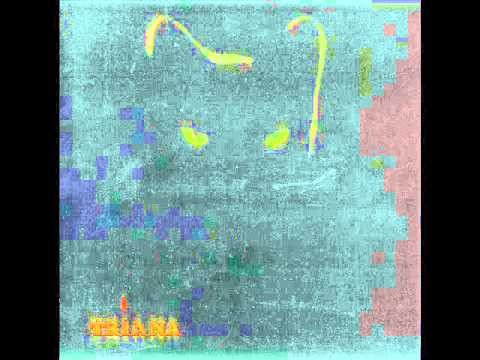
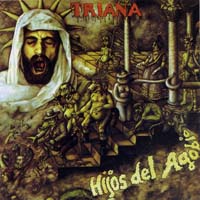
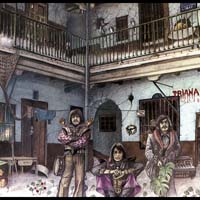
Triana's music style was a groundbreaking mix of organic rock, electric guitar riffs, psychedelic effects, and Spanish flamenco elements. The band formed in 1974 and consisted of former members of rock bands Los Payos and Smash, plus a flamenco guitarist. Triana released their debut album, El Patio, in 1975, which was an instant success, with hit songs like Abre la Puerta Niña and Todo es de Color. Their rip-roaring fusion was embraced by counterculture and left-wing intellectuals, who were drawn to Triana's political slant and criticisms of Franco's dictatorship that Spain was still recovering from until the mid-'70s. The band's next three albums, Hijos del Agobio, Sombra y luz, and Un Encuentro, were more experimental and refined but maintained the same enthralling sound.
Although the group's impact on music culture is undeniable, it has been difficult to understand Triana's appeal and allurement, in part because the band members have remained relatively anonymous. Triana lived secluded lives, rarely giving interviews or appearing in public, fueling rumors and speculations about their motives and personalities. Some suggested that drugs were the secret behind their creativity, while others believed that the band was a product of collective artists experimenting to produce new sounds.
Despite Triana's seclusion, they did perform some legendary concerts. Their performance known as the Concierto Fin de Año in 1979 at the Palacio de Deportes in Madrid was a momentous event in the history of Spanish rock. There, the band performed their hits in front of a sold-out crowd, seeing over 6,000 standing ovations. This concert is often heralded as the most effective band performance ever held not just due to its impact but also due to several factors, including technical advancements, stage lighting, and sound effects.
Some of Triana's best songs have won hearts with their melodious tunes and hard-hitting lyrics. Hijos del Agobio brought an altogether different wave of music that created the sensation at the time. This song was an anthem of hope and freedom, invoking the youth to follow their true calling and speak out against oppression. Rumor is another evergreen hit, defining the sounds of Triana precisely, blending flamenco tunes with rock beats.
In conclusion, Triana's music and legacy brought color and depth to Spanish rock, inspiring generations of artists and fans. Their electric mix of psychedelic rock and flamenco remains timeless, breaking conventional music boundaries while remaining relevant to this day. Triana's mysterious personality and legend continue to fascinate and captivate audiences around the world. Anyone who loves music and is interested in exploring the music genre’s uncanny crooks and crevices should undoubtedly give Triana's music a try.
The Mysterious Genius of Triana: A Musical Biography
Triana is a legendary band in the Spanish music industry, known for its unique fusion of psychedelic rock and flamenco. Despite its brief career, Triana had a significant impact on the Spanish music scene and inspired generations of musicians. In this article, we will delve into the history and music of Triana, discussing their top hits, genre, famous concerts, and explore the mystique surrounding the band.
Triana's music style was a groundbreaking mix of organic rock, electric guitar riffs, psychedelic effects, and Spanish flamenco elements. The band formed in 1974 and consisted of former members of rock bands Los Payos and Smash, plus a flamenco guitarist. Triana released their debut album, El Patio, in 1975, which was an instant success, with hit songs like Abre la Puerta Niña and Todo es de Color. Their rip-roaring fusion was embraced by counterculture and left-wing intellectuals, who were drawn to Triana's political slant and criticisms of Franco's dictatorship that Spain was still recovering from until the mid-'70s. The band's next three albums, Hijos del Agobio, Sombra y luz, and Un Encuentro, were more experimental and refined but maintained the same enthralling sound.
Although the group's impact on music culture is undeniable, it has been difficult to understand Triana's appeal and allurement, in part because the band members have remained relatively anonymous. Triana lived secluded lives, rarely giving interviews or appearing in public, fueling rumors and speculations about their motives and personalities. Some suggested that drugs were the secret behind their creativity, while others believed that the band was a product of collective artists experimenting to produce new sounds.
Despite Triana's seclusion, they did perform some legendary concerts. Their performance known as the Concierto Fin de Año in 1979 at the Palacio de Deportes in Madrid was a momentous event in the history of Spanish rock. There, the band performed their hits in front of a sold-out crowd, seeing over 6,000 standing ovations. This concert is often heralded as the most effective band performance ever held not just due to its impact but also due to several factors, including technical advancements, stage lighting, and sound effects.
Some of Triana's best songs have won hearts with their melodious tunes and hard-hitting lyrics. Hijos del Agobio brought an altogether different wave of music that created the sensation at the time. This song was an anthem of hope and freedom, invoking the youth to follow their true calling and speak out against oppression. Rumor is another evergreen hit, defining the sounds of Triana precisely, blending flamenco tunes with rock beats.
In conclusion, Triana's music and legacy brought color and depth to Spanish rock, inspiring generations of artists and fans. Their electric mix of psychedelic rock and flamenco remains timeless, breaking conventional music boundaries while remaining relevant to this day. Triana's mysterious personality and legend continue to fascinate and captivate audiences around the world. Anyone who loves music and is interested in exploring the music genre’s uncanny crooks and crevices should undoubtedly give Triana's music a try.