
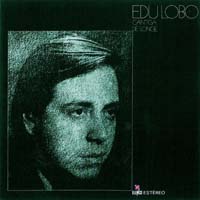
Album spotlight: Edu Lobo – Tempo Presente
Tempo Presente- Album Overview
"Tempo Presente," released in 1972, stands as a significant work in the Brazilian music landscape, showcasing the innovative fusion of bossa nova, MPB (Música Popular Brasileira), and elements of jazz. The album was produced under the label Philips Records and features a collection of tracks that are rich in harmonic complexity and lyrical depth. Edu Lobo, a prominent figure in Brazilian music, collaborated with renowned lyricist Vinicius de Moraes on several compositions, including the standout track "Na Rua, Na Chuva, Na Fazenda," which reflects Lobo's ability to blend poetry and music seamlessly.
The recording sessions took place in Rio de Janeiro, where Lobo brought together an impressive lineup of musicians, including the legendary guitarist Toquinho and percussionist Naná Vasconcelos. This ensemble contributed to the album's vibrant and textured sound, which captures the essence of Brazilian culture during a period of political turmoil and social change. "Tempo Presente" was not just an artistic endeavor; it also served as a reflection of the zeitgeist of Brazil in the early '70s, where music became a form of resistance and a means of expressing national identity.
The album includes notable tracks such as "Ponteio," which showcases intricate melodies and rhythmic patterns, and "O Mundo É um Moinho," a poignant reflection on the passage of time and the inevitability of change. "Tempo Presente" remains pivotal in Edu Lobo's discography and has influenced countless musicians across genres. Its themes of love, nature, and social consciousness resonate deeply, ensuring its place in the canon of Brazilian popular music.
Review
The sound of "Tempo Presente" is a testament to Edu Lobo's artistry, characterized by lush instrumentation and expressive melodies. The album deftly balances traditional Brazilian rhythms with jazz influences, creating an engaging listening experience. Lobo’s voice, warm and emotive, carries the weight of the lyrics, which explore complex themes of love, longing, and the human condition. The arrangements are sophisticated yet accessible, allowing listeners to appreciate both the technical prowess of the musicians and the emotional depth of the songs.
One of the most striking aspects of the album is its ability to evoke a sense of place and time. Each track transports the listener to the streets of Brazil, where the sounds of the city blend seamlessly with the introspective nature of the music. Lobo’s artistic vision transcends mere entertainment, inviting listeners to reflect on their own experiences and the world around them. Overall, "Tempo Presente" is not just an album; it is an experience that resonates on both personal and cultural levels.
Highlights
- Rich and textured instrumentation that showcases Brazilian musical heritage.
- Lyrical depth that captures the emotional and cultural zeitgeist of early '70s Brazil.
- Strong collaborations with notable artists, enhancing the album's overall quality.
Weak points
- The album's complex arrangements may not appeal to all listeners seeking straightforward pop music.
- Some tracks may feel lengthy or overly intricate for casual listeners.
- Limited commercial singles may restrict wider recognition outside of Brazil.
Overall evaluation
"Tempo Presente" is a landmark album that exemplifies the artistic evolution within Brazilian music during a transformative period. Edu Lobo’s masterful blend of genres and poignant lyrics create a timeless work that continues to inspire. It remains essential listening for anyone interested in the richness of Brazilian culture and music.
Personal rating: 9/10 1967Edu