
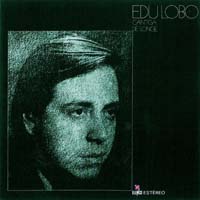
Deus Lhe Pague: the story Edu Lobo wants to tell
Deus Lhe Pague- Album Overview
"Deus Lhe Pague," released in 1973, is a significant album by Brazilian composer and musician Edu Lobo. It showcases Lobo's distinctive blend of MPB (Música Popular Brasileira) and bossa nova, marked by complex harmonies and poetic lyrics that reflect Brazil's cultural landscape during a time of political upheaval. The album was released under the label Philips Records and features collaborations with notable artists, including lyricist Vinicius de Moraes, whose contributions elevate the lyrical depth of the tracks.
The recording sessions for "Deus Lhe Pague" took place in Rio de Janeiro, where Lobo, along with a talented group of musicians, crafted a sound that is both innovative and rooted in Brazilian tradition. Notable tracks include "Ponteio" and "O Canto de Ossanha," which exemplify Lobo's ability to weave intricate melodies with socially conscious themes. The album was well-received critically and played a crucial role in solidifying Lobo’s place in the Brazilian music scene.
The title track, "Deus Lhe Pague," captures a poignant reflection on gratitude and the complexities of human relationships, echoing sentiments that resonate throughout the album. The singles from this work further cemented Lobo's reputation as a leading figure in Brazilian music, influencing a generation of artists who followed. The combination of innovative musicality and profound lyrical content makes "Deus Lhe Pague" not just an album but a significant cultural artifact of its time.
Review
In "Deus Lhe Pague," Edu Lobo presents a masterclass in musical storytelling. The album's sound is a rich tapestry of Brazilian rhythms and harmonies, seamlessly blending traditional elements with contemporary influences of the early 1970s. Lobo's voice is both emotive and powerful, drawing listeners into the narratives woven through his lyrics. The instrumentation is meticulously arranged, featuring lush strings and rhythmic percussion that provide a perfect backdrop for Lobo's evocative melodies.
Lobo's artistic vision is clear: he seeks to capture the essence of Brazilian life, its joys and struggles, through a lens of poetic introspection. Each track serves as a reflection of the Brazilian experience, making the album resonate on both personal and cultural levels. The lyrical content is rich with metaphors and imagery, inviting listeners to explore deeper meanings while enjoying the music itself. "Deus Lhe Pague" stands as a testament to Lobo's genius and his ability to articulate the complexities of human emotion through song.
Highlights
- Exceptional blending of traditional and contemporary Brazilian music styles.
- Thought-provoking lyrics that tackle social themes and personal reflections.
- Strong musical arrangements that enhance the emotive quality of each track.
Weak points
- Some tracks may feel slow-paced for listeners accustomed to more commercial sounds.
- The complexity of the lyrics might be challenging for those unfamiliar with Brazilian Portuguese.
- Limited mainstream exposure outside of Brazil may hinder broader appreciation.
Overall evaluation
"Deus Lhe Pague" is an essential album that encapsulates the essence of Brazilian music in the early 1970s, showcasing Edu Lobo's artistic brilliance and cultural significance. It remains a timeless piece that continues to inspire and resonate with listeners today.
Personal rating: 9/10 1967Edu