ALBUM NOTESListening to Edu Lôbo by Edu Lobo-Edu Lôbo
Album overview
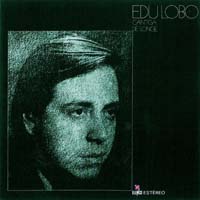
Edu Lobo's self-titled album, "Edu Lôbo," was released in 1973 and is a significant contribution to the Música Popular Brasileira (MPB) genre. This album was produced under the label Philips and emerged during a vibrant period in Brazilian music, characterized by a fusion of traditional Brazilian rhythms with contemporary influences. Lobo, a talented composer and guitarist, collaborated with various artists, including lyricist Vinicius de Moraes, to create a collection of songs that resonate with the cultural and political climate of Brazil at the time.
The album features standout tracks such as "Ponteio," "A Banda," and "Arrastão," which showcase Lobo's innovative approach to melody and harmony. These songs often blend bossa nova with elements of folk and classical music, reflecting Brazil's diverse musical landscape. The album's arrangements utilize strings and woodwinds, creating rich textures that complement Lobo's emotive vocal delivery.
"Edu Lôbo" is not only a testament to Lobo's artistry but also represents the broader artistic movement in Brazil during the 1970s, where musicians began to explore deeper themes of national identity, love, and social issues through their music. The album is celebrated for its lyrical depth and musical sophistication, making it a cornerstone in the MPB canon and an essential listen for anyone interested in Brazilian music history.
Review
Edu Lobo's "Edu Lôbo" delivers a captivating listening experience, characterized by its intricate melodies and profound lyrical content. The soundscape is a rich tapestry woven from the threads of Brazilian folklore and contemporary influences, demonstrating Lobo's exceptional musicianship. His guitar work is both delicate and powerful, providing a solid foundation for his expressive vocals.
The lyrics, often co-written with celebrated poets, delve into themes of love, longing, and the Brazilian experience, resonating with emotional authenticity. Lobo's ability to convey complex feelings through simple yet poignant phrases makes the album relatable and timeless. Tracks like "Ponteio" highlight his knack for creating infectious melodies that linger long after the music has stopped.
The artistic vision behind "Edu Lôbo" is one of exploration and innovation, capturing the essence of a nation in flux while celebrating its cultural heritage. The album stands out not just for its musicality but also for its deep connection to Brazilian identity, making it a significant work in Lobo's discography and in the larger narrative of Brazilian music.
Highlights
- Intricate and innovative arrangements that blend various musical styles.
- Emotionally resonant lyrics that capture the essence of Brazilian life.
- Strong vocal and instrumental performances that showcase Lobo's artistry.
Weak points
- Some tracks may feel less accessible to listeners unfamiliar with Brazilian music.
- The album’s production may sound dated to contemporary ears.
- Occasional pacing issues in the track sequencing may disrupt the listening flow.
Overall evaluation
Edu Lobo's "Edu Lôbo" is a masterful exploration of Brazilian music that remains relevant and influential today. Its rich textures and lyrical depth make it an essential listen for fans of MPB and world music alike.
Personal rating: 9/10
```

 1967Edu