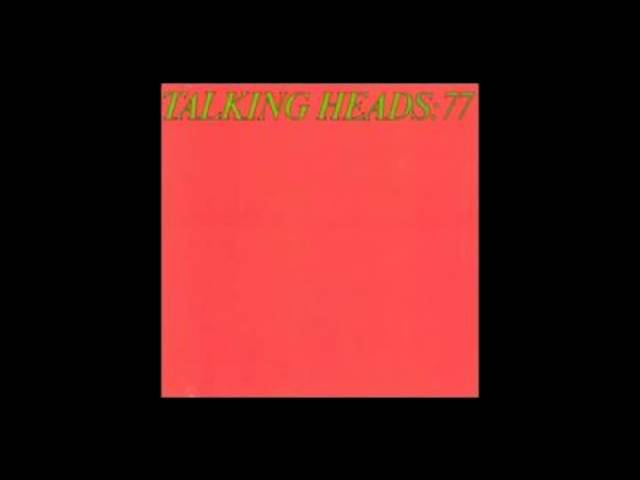
Talking Heads: 77- Album Overview
Talking Heads: 77, the debut album by the American rock band Talking Heads, was released on September 16, 1977, through Sire Records. This album marked the beginning of a unique exploration into the realms of punk, art rock, and new wave, showcasing the band's innovative approach to music and lyrics. Produced by the legendary Brian Eno, although he was not initially credited, the album features a distinctive sound that merges elements of funk, rock, and avant-garde.
The recording sessions took place at the legendary New York City studio, The Record Plant, where the band worked diligently to shape their eclectic sound, incorporating unconventional song structures and instrumentation. The lineup of Talking Heads at this time included David Byrne (lead vocals, guitar), Tina Weymouth (bass), Chris Frantz (drums), and Jerry Harrison (keyboards, guitar), who joined shortly before the album's release.
The album features notable tracks such as "Psycho Killer," "Uh-Oh, Love Comes to Town," and "Take Me to the River," which would later become staples in the band's repertoire and significantly influenced the new wave genre. "Psycho Killer," in particular, became a standout single, showcasing Byrne's distinctive vocal style and the band's ability to blend catchy melodies with dark, introspective lyrics.
Talking Heads: 77 not only encapsulated the sound of a transformative era in music but also resonated with the cultural landscape of the late '70s, reflecting the anxieties and complexities of urban life. The album has since been hailed as one of the greatest debut albums in rock history, earning a place in various "best of" lists and solidifying Talking Heads' legacy as pioneers in the music industry.
Review
Talking Heads: 77 is a sonic adventure that defies easy categorization, effectively blending elements from various musical genres while maintaining an unmistakable identity. The album opens with "Uh-Oh, Love Comes to Town," a track that sets the tone with its infectious rhythm and playful lyrics. The standout single, "Psycho Killer," showcases the band's ability to craft compelling narratives, with Byrne's haunting vocal delivery complementing the tight, propulsive instrumentation.
Lyrically, Byrne's writing often reflects a sense of disconnection and existential contemplation, which resonates throughout the album. The quirky and sometimes absurdist lyrics are paired with infectious hooks, making the listening experience both intellectually stimulating and enjoyable. The band's artistic vision comes through in their experimental approach to song structure and arrangement, a quality that would come to define their future works.
While the production is relatively straightforward, the album captures the raw energy of the band's live performances, allowing their eclectic influences to shine through. It's an album that feels both immediate and timeless, encapsulating the spirit of late '70s New York while paving the way for future generations of musicians.
Highlights
- Innovative blend of punk, funk, and art rock influences.
- Memorable tracks like "Psycho Killer" and "Take Me to the River."
- Distinctive lyrical style that combines humor and existential themes.
Weak points
- Some tracks may feel less polished compared to later releases.
- Occasional reliance on repetitive musical motifs may not appeal to all listeners.
- Limited production complexity might overshadow the band's musical prowess for some.
Overall evaluation
Talking Heads: 77 is a groundbreaking debut that captures the essence of a transformative musical moment. With its innovative sound, clever lyrics, and compelling performances, it laid the groundwork for the band's illustrious career.
Personal rating: 9/10

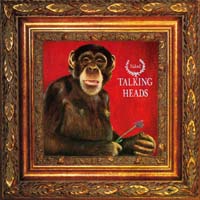 1988Naked
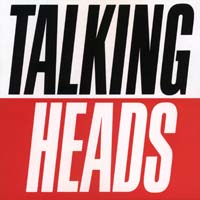 1986True Stories
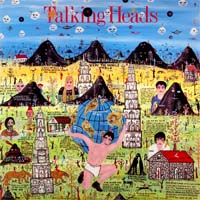 1985Little Creatures
 1983Speaking in Tongues
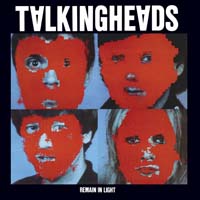 1980Remain in Light
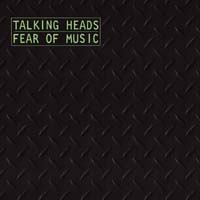 1979Fear of Music
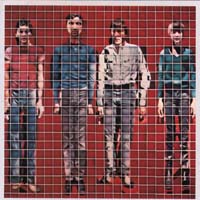 1978More Songs About Buildings and Food
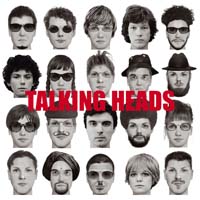 1977Talking Heads: 77CURRENT REVIEW