
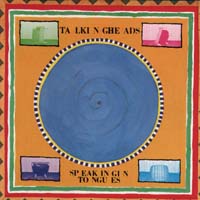
Speaking in Tongues: the story Talking Heads wants to tell
Speaking in Tongues- Album Overview
Released on June 29, 1983, "Speaking in Tongues" is the fifth studio album by the American rock band Talking Heads, under the Sire Records label. This album marked a significant evolution in the band's sound, moving towards a blend of rock, funk, and world music influences, which would come to define their unique style. Produced by the band alongside the renowned producer Steven Stanley, the album was recorded in the wake of their live album "The Name of This Band Is Talking Heads," capturing the energy and spontaneity of their performances.
The recording sessions took place at the Compass Point Studios in Nassau, Bahamas, a location that allowed the band to experiment with different rhythms and sounds. "Speaking in Tongues" features notable collaborations, including contributions from guitarist Adrian Belew and drummer Chris Frantz, who helped infuse the tracks with a vibrant, eclectic feel. The album spawned several successful singles, most notably "Burning Down the House," which became one of the band's most recognizable tracks and reached the top of the charts, showcasing their ability to blend catchy hooks with complex musical arrangements.
Musically, "Speaking in Tongues" is significant for its innovative use of synthesizers and polyrhythms, which reflect the band's interest in global music influences. Lyrically, the album explores themes of communication, disconnection, and the human experience, encapsulated in songs like "This Must Be the Place (Naive Melody)," which resonates with a sense of longing and belonging. The album was critically acclaimed and has been regarded as one of the band's finest works, solidifying their status as pioneers in the new wave genre and influencing countless artists in the years that followed.
Review
The sound of "Speaking in Tongues" is an exhilarating amalgamation of genres, blending the rhythmic complexities of African music with the band’s trademark art rock sensibilities. The opening track, "Burning Down the House," sets the tone with its infectious groove and socially charged lyrics, establishing a narrative that combines the personal with the political. David Byrne's distinctive vocal delivery, characterized by its idiosyncratic phrasing and emotive quality, invites listeners into a world of introspection and existential inquiry.
Throughout the album, the instrumentation is lush and layered, showcasing the band’s adeptness at fusing live instrumentation with electronic elements. The use of synthesizers adds a futuristic touch, while the tight rhythm section propels the music forward with unrelenting energy. Lyrically, the album is rich with metaphor and imagery, as Byrne navigates themes of communication breakdowns and the search for connection in an increasingly fragmented world. Tracks such as "This Must Be the Place (Naive Melody)" and "Girlfriend is Better" encapsulate this dichotomy beautifully, offering a sense of both optimism and unease.
Overall, "Speaking in Tongues" is a testament to Talking Heads' artistic vision and their ability to push boundaries. It remains a landmark album in the new wave genre, resonating with listeners across generations and showcasing the band’s unparalleled creativity.
Highlights
- Innovative blend of rock, funk, and world music influences.
- Strong lyrical themes that resonate with listeners on multiple levels.
- Iconic singles like "Burning Down the House" showcase their energetic sound.
Weak points
- Some tracks may feel overly experimental for mainstream listeners.
- The eclectic sound may not appeal to traditional rock purists.
- Occasional lyrical ambiguity could leave some listeners confused.
Overall evaluation
"Speaking in Tongues" stands as a pivotal work in Talking Heads' discography, illustrating their evolution as artists and their willingness to explore new musical territories. It remains a powerful statement on the complexities of modern communication and connection.
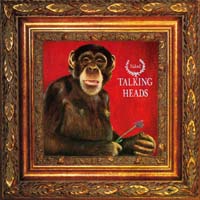 1988Naked
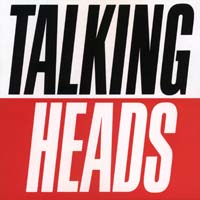 1986True Stories
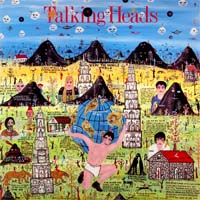 1985Little Creatures
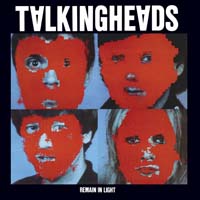 1980Remain in Light
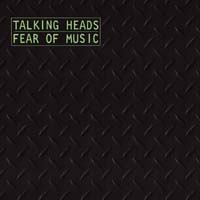 1979Fear of Music
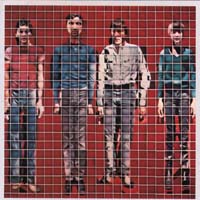 1978More Songs About Buildings and Food
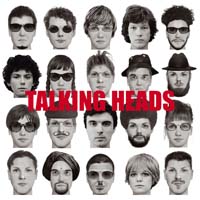 1977Talking Heads: 77