
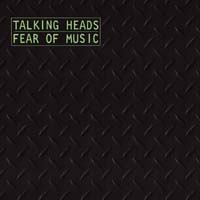
Fear of Music: what Talking Heads wants you to feel
Fear of Music- Album Overview
"Fear of Music," released in 1979, is the third studio album by the American rock band Talking Heads. Released under Sire Records, the album was produced by the band in collaboration with Brian Eno, who played a significant role in shaping its sound. This partnership marked a pivotal moment in the band's evolution, as Eno's influence helped to introduce an experimental edge to their music, blending elements of punk rock, art rock, and world music.
The album features 10 tracks, including notable singles such as "Life During Wartime," "I Zimbra," and "Cities." The lyrical content reflects themes of anxiety, urban life, and existential dread, resonating with the socio-political climate of the late 1970s. The album's sound is characterized by its rhythmic complexity, unconventional song structures, and the use of various instruments, including synthesizers, which were relatively new to rock music at the time.
"Fear of Music" received critical acclaim upon its release and has since been recognized as one of the best albums of the 1970s, often cited for its artistic innovation and cultural significance. The album's exploration of fear and paranoia in modern life, combined with its eclectic musical influences, solidified Talking Heads' status as pioneers in the new wave movement.
Review
The sound of "Fear of Music" is an exhilarating blend of styles, showcasing the band's ability to fuse rock with elements of funk, African rhythms, and avant-garde music. David Byrne's distinctive vocal delivery complements the intricate instrumentation, creating an atmosphere that is both unsettling and captivating. The lyrics dive deep into themes of dislocation and anxiety, epitomized by tracks like "Life During Wartime," where Byrne's frenetic energy mirrors the chaos of urban existence.
The artistic vision behind the album is clear: to capture the essence of fear in a rapidly changing world. The production techniques employed by Eno enhance this vision, using studio experimentation to evoke a sense of unease. Songs like "I Zimbra" showcase the band's willingness to embrace non-Western influences, while "Heaven" presents a contrasting serene quality that invites introspection. Overall, "Fear of Music" stands as a testament to Talking Heads' innovation and their ability to resonate with the complexities of human emotion through music.
Highlights
- Innovative blend of genres, incorporating rock, funk, and world music.
- Thought-provoking lyrics that explore themes of fear and urban anxiety.
- Strong production quality, thanks to the collaboration with Brian Eno.
Weak points
- Some tracks may come off as too experimental for mainstream listeners.
- The dense production can overshadow Byrne's vocal clarity in certain songs.
- Not all songs achieve the same level of impact, leading to a varied listening experience.
Overall evaluation
"Fear of Music" is a groundbreaking album that captures the spirit of a tumultuous era through its innovative sound and poignant lyrics. It remains a defining work in Talking Heads' discography and a significant influence on subsequent generations of musicians.
Personal rating: 9/10 1988Naked
 1986True Stories
 1985Little Creatures
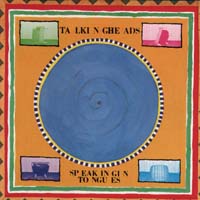 1983Speaking in Tongues
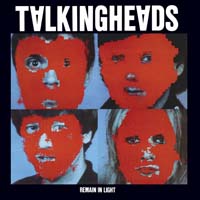 1980Remain in Light
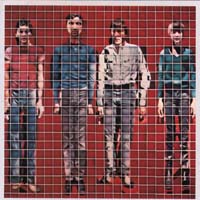 1978More Songs About Buildings and Food
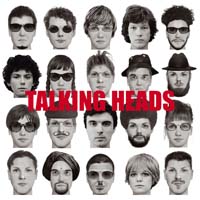 1977Talking Heads: 77