
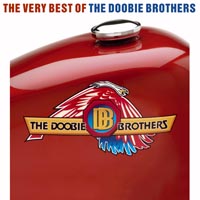
The evolution of The Doobie Brothers in Takin’ It To The Streets
Takin’ It To The Streets- Album Overview
"Takin' It To The Streets" is the fifth studio album by American rock band The Doobie Brothers, released on March 1, 1976. This album marked a significant transition for the group, as it introduced Michael McDonald as a lead vocalist and songwriter, shifting the band's sound from its earlier country rock roots to a more polished, R&B-influenced style. Released under Warner Bros. Records, the album was produced by Ted Templeton, who had been instrumental in shaping the band’s sound in previous projects.
The album features key tracks such as "Takin' It to the Streets," "It Keeps You Runnin'," and "I'll Be Back Again." The title track, which became a classic, reached No. 13 on the Billboard Hot 100 and showcased McDonald's soulful vocal delivery and introspective lyrics. The recording sessions took place primarily at the famed Record Plant studios in Sausalito, California, where the band was able to harness the vibrant energy of the Bay Area music scene.
With its blend of rock, soul, and jazz elements, "Takin' It To The Streets" not only solidified The Doobie Brothers' place in the music landscape of the 1970s but also reflected the cultural shifts occurring during the decade. The incorporation of more intricate harmonies and rhythmic grooves represented an evolution in their sound, appealing to a broader audience and setting the stage for their future success. Collaborators on the album included notable musicians like Jeff Baxter and the renowned backing vocalists The Doobie Brothers often employed, enhancing the album's depth and richness.
Review
The sound of "Takin' It To The Streets" is a remarkable amalgamation of genres that captures the essence of The Doobie Brothers' evolution. Michael McDonald's distinct vocal style adds a smooth, soulful dimension to the tracks, distinguishing this album from its predecessors. The instrumentation is tight yet vibrant, with electric pianos, horns, and layered guitars creating a lush backdrop for the stories told through the lyrics. Tracks like "It Keeps You Runnin'" deliver a sense of urgency and introspection, reflecting the personal and societal concerns of the era.
Lyrically, the album navigates themes of introspection, societal change, and the quest for connection, resonating deeply with listeners. McDonald’s contributions not only highlight his songwriting prowess but also offer a fresh perspective that revitalizes the band's identity. The artistic vision behind this album signals a creative pivot that successfully merges elements of rock with R&B, showcasing the band’s versatility and willingness to evolve.
Highlights
- Michael McDonald's soulful vocals elevate the overall sound.
- The incorporation of R&B and jazz elements broadens the band's musical palette.
- Strong lyrical themes resonate with the socio-cultural landscape of the 1970s.
Weak points
- Some fans of their earlier sound may find the shift jarring.
- The album's production can feel overly polished, detracting from the raw energy of previous works.
- Not all tracks achieve the same level of impact as the singles.
Overall evaluation
"Takin' It To The Streets" marks a pivotal moment in The Doobie Brothers' career, showcasing their ability to adapt and reinvent themselves while maintaining musical integrity. The album's blend of rock and soul continues to resonate with audiences today, solidifying its status as a classic in the band's discography.
Personal rating: 8/10 2000Sibling Rivalry
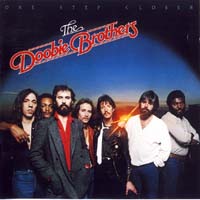 1980One Step Closer
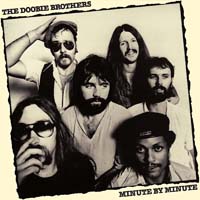 1978Minute by Minute
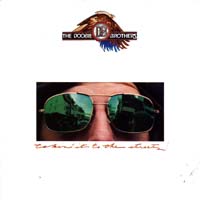 1976Takin' It to the Streets
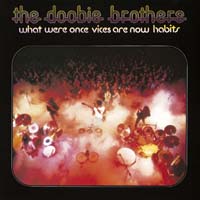 1974What Were Once Vices Are Now Habits
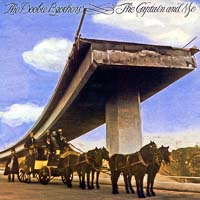 1973The Captain and Me
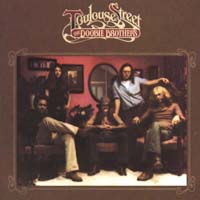 1972Toulouse Street