
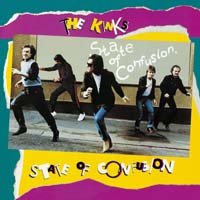
The Kinks returns with State of Confusion
State of Confusion- Album Overview
"State of Confusion" is the 10th studio album by the legendary British rock band The Kinks, released on February 28, 1983. This album marks a significant point in the band's evolution, being released under the RCA label after their departure from Arista Records. The production was helmed by the band’s frontman, Ray Davies, who has always been the creative force behind The Kinks, alongside long-time collaborator and producer, Bill Szymczyk. The album was recorded at the famous Konk Studios in London, which was established by the band itself, showcasing their commitment to artistic independence.
The album features a blend of rock and new wave sounds, reflective of the early 1980s music scene. "State of Confusion" includes notable tracks such as "Come Dancing," which became one of their most commercially successful singles, reaching the Top 10 in the United States and highlighting themes of nostalgia and the passage of time. The album also features other tracks like "Do It Again" and "Living on a Thin Line," both of which delve into the complexities of modern life and personal relationships, showcasing Ray Davies' sharp lyrical prowess.
Musically, the album incorporates a variety of styles, layering melodic hooks with thoughtful, sometimes sardonic lyrics that reflect Davies' keen observations of society. The cultural significance of "State of Confusion" lies in its ability to capture the essence of a rapidly changing world while maintaining the quintessential Kinks sound, characterized by its distinctive guitar riffs and vocal harmonies. The album’s reception was generally positive, and it remains a noteworthy entry in The Kinks' discography, illustrating their ability to adapt to changing musical landscapes while staying true to their roots.
Review
"State of Confusion" presents a compelling mix of The Kinks' traditional rock sensibilities and the emerging new wave influences of the early 1980s. The album opens with the infectious "Come Dancing," a track that perfectly encapsulates the nostalgic yearning that permeates much of the album. Ray Davies' lyrics are imbued with a clever wit, contrasting the upbeat melodies with themes of loss and reminiscence. The production quality is polished, a reflection of the era's studio capabilities, allowing the band’s instrumentation to shine. However, some critics argue that while the album excels in catchy tunes, certain tracks lack the depth that earlier Kinks albums possessed.
The musical arrangements are often rich and layered, with sharp guitar riffs and harmonious backing vocals that enhance the storytelling aspect of Davies' lyrics. Tracks like "Living on a Thin Line" deliver a poignant social commentary, showcasing the band's continued relevance. Nonetheless, there are moments where the transition to a more commercial sound feels a bit forced, potentially alienating long-time fans who prefer the rawness of earlier works. Overall, "State of Confusion" is a testament to The Kinks' adaptability and enduring legacy in rock music.
Highlights
- Strong lyrical themes of nostalgia and social commentary.
- Catchy melodies and infectious hooks, particularly in "Come Dancing."
- Polished production that showcases the band's musical evolution.
Weak points
- Some tracks lack the lyrical depth of earlier Kinks albums.
- Commercial sound may alienate long-time fans.
- Inconsistent pacing throughout the album.
Overall evaluation
"State of Confusion" stands as a notable chapter in The Kinks' storied career, blending their classic sound with the new wave influences of the 1980s. While it may not reach the heights of their earlier masterpieces, it still offers a collection of memorable songs that resonate with both new and old fans.
Personal rating: 7/10 2014Classics: The Best Of The Kinks
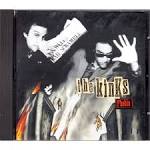 1993Phobia
 1986Think Visual
 1984Word of Mouth
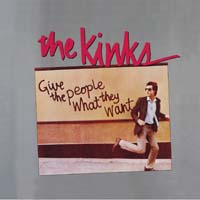 1981Give the People What They Want
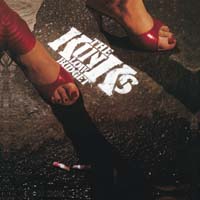 1979Low Budget
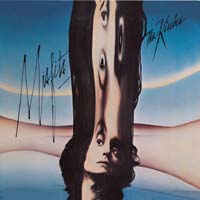 1978Misfits
 1977Sleepwalker
 1975Soap Opera
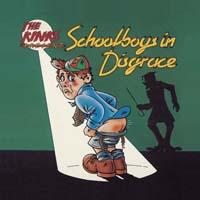 1975Schoolboys in Disgrace
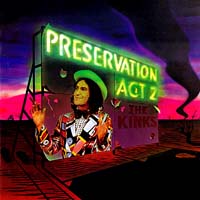 1974Preservation Act 2
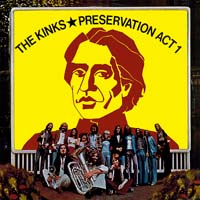 1973Preservation Act 1
 1971Muswell Hillbillies
.jpg) 1969Arthur (or The Decline and Fall of the British Emp
1969Arthur (or The Decline and Fall of the British Emp 1968The Kinks Are The Village Green Preservation Socie
 1966Face to Face
 1965The Kink Kontroversy
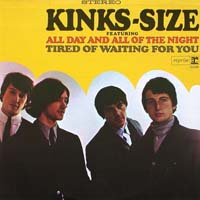 1965Kinks-Size
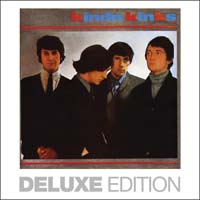 1965Kinda Kinks