
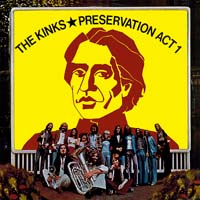
Why The Kinks's Preservation Act 1 matters
Preservation Act 1- Album Overview
Released in 1973, "Preservation Act 1" is the first part of a rock opera by The Kinks, a band led by the visionary Ray Davies. This album marked a significant transition for the group, showcasing their shift towards more theatrical and narrative-driven music. The project was released under the RCA label and was produced by Ray Davies, who took on a more pronounced role in crafting the album's ambitious concept. The recording sessions took place at the Konk Studios, a facility owned by the band, which provided an intimate setting for the creative process.
Musically, "Preservation Act 1" blends rock with elements of music hall, reflecting Davies's deep appreciation for British culture and history. The album features a cast of characters and tells the story of a struggle between preservationists and developers in a fictionalized England. The singles "Life on the Road" and "Sitting in My Hotel" received airplay, but the album's true essence lies in its cohesive storytelling and rich instrumentation. Collaborators included the band members Mick Avory, John Dalton, and Dave Davies, each contributing to the multifaceted sound that defined the album.
Culturally, "Preservation Act 1" is significant as it encapsulates the societal changes of the early 1970s, addressing themes of progress versus tradition. It serves as a commentary on the loss of cultural heritage, a theme that resonates with audiences even today. The album's innovative approach to storytelling through music set the stage for future rock operas and influenced a generation of musicians seeking to explore narrative in their work.
Review
"Preservation Act 1" stands out for its ambitious concept and the way it intertwines social commentary with musical experimentation. The sound of the album is characteristically Kinks, with jangly guitars and whimsical melodies, but it's the theatricality that elevates it. Ray Davies's lyrics are clever and poignant, often imbued with a sense of irony and nostalgia. The characters, such as the "Preservationist" and the "Developer," are vividly drawn, allowing the listener to immerse in their conflict. The album's production is rich, with layers of instrumentation that create a vibrant sonic landscape, drawing from various musical influences while remaining distinctly British. It may not have received the commercial success of its predecessors, but its artistic vision and execution are commendable, marking it as a unique entry in The Kinks's discography.
Highlights
- Innovative narrative structure that combines music and storytelling.
- Rich, layered instrumentation that showcases the band's musical versatility.
- Thought-provoking lyrics addressing relevant societal themes.
Weak points
- The ambitious concept may be challenging for casual listeners to fully appreciate.
- Some tracks may feel uneven in pacing and focus.
- Limited commercial appeal compared to earlier Kinks albums.
Overall evaluation
"Preservation Act 1" is a bold and artistic statement from The Kinks that successfully combines music with a narrative depth rarely seen in rock. While it may not resonate with everyone, its cultural significance and innovative approach to storytelling make it an important work in the band's oeuvre.
Personal rating: 8/10 2014Classics: The Best Of The Kinks
 1993Phobia
 1986Think Visual
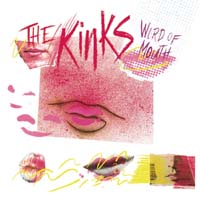 1984Word of Mouth
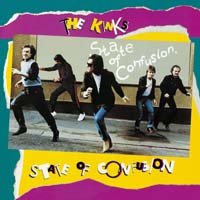 1983State of Confusion
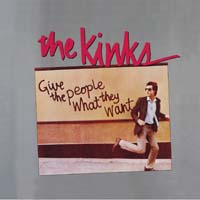 1981Give the People What They Want
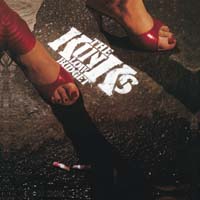 1979Low Budget
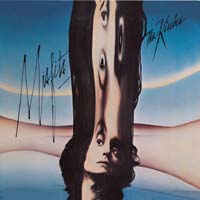 1978Misfits
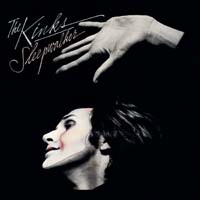 1977Sleepwalker
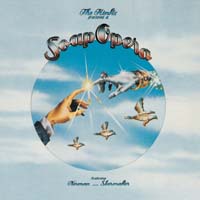 1975Soap Opera
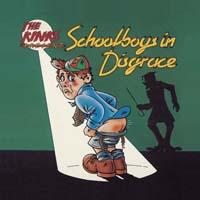 1975Schoolboys in Disgrace
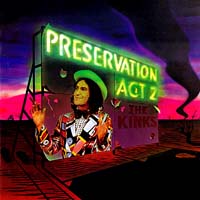 1974Preservation Act 2
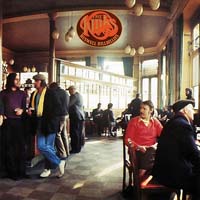 1971Muswell Hillbillies
.jpg) 1969Arthur (or The Decline and Fall of the British Emp
1969Arthur (or The Decline and Fall of the British Emp 1968The Kinks Are The Village Green Preservation Socie
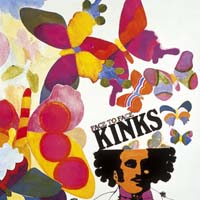 1966Face to Face
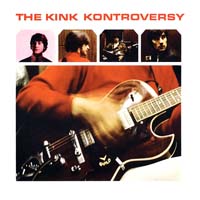 1965The Kink Kontroversy
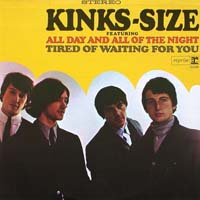 1965Kinks-Size
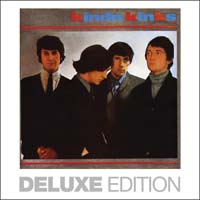 1965Kinda Kinks