
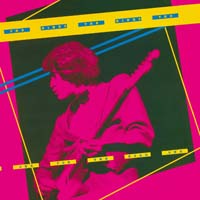
The Kinks raises the bar with Lola Versus Powerman and the Moneygoround, Part On
Lola Versus Powerman and the Moneygoround, Part On- Album Overview
"Lola Versus Powerman and the Moneygoround, Part One," released in 1970, marks a pivotal moment in The Kinks' discography. This concept album, released on the RCA label, is a satirical exploration of the music industry and the nature of fame. The album was produced by Ray Davies, the band's frontman and principal songwriter, who infused it with his signature wit and keen observational skills. Recording took place at Morgan Studios in London, with contributions from notable musicians including the Kinks' regular members—Dave Davies, Mick Avory, and John Dalton—as well as guest artists like session musician and keyboardist Nicky Hopkins. The album features some of The Kinks' most memorable tracks, including the iconic title song "Lola," which tells the story of a young man's encounter with a transgender woman. This single became a massive hit, reaching No. 2 on the UK Singles Chart, and is often hailed as a groundbreaking moment in rock history due to its candid exploration of gender identity. The album also includes tracks like "Apeman," "Moneygoround," and "This Time Tomorrow," each showcasing a blend of rock, pop, and music hall influences that characterize The Kinks' sound. Musically, the album reflects the era's cultural shifts, with its commentary on the entertainment industry resonating in a time of social change. The Kinks' ability to blend humor with poignant social critique set a new standard for rock music, influencing countless artists in the years to follow. The album's rich production and clever lyrics have solidified its status as a classic, often regarded as one of the greatest works in The Kinks' catalog.
Review
"Lola Versus Powerman and the Moneygoround, Part One" showcases The Kinks at their creative peak, balancing intricate songcraft with sharp social commentary. The album's sound is characterized by infectious melodies, rich harmonies, and a playful yet poignant lyrical approach. Ray Davies's storytelling shines throughout, exploring themes of identity, commercialism, and the absurdities of fame. The title track stands out not only for its catchy refrain but also for its bold narrative, which challenges societal norms with an authenticity rarely seen in rock music of the time. Musically, the album traverses various genres, from the rollicking rock of "Lola" to the more reflective tones of "This Time Tomorrow," demonstrating the band's versatility. The instrumentation is vibrant, with jangly guitars and rich piano lines that complement Davies's distinctive vocal delivery. The production quality is high, capturing the raw energy of the band's live performances while also incorporating sophisticated arrangements. Overall, the album is a testament to The Kinks' ability to craft a cohesive artistic vision that resonates deeply with listeners, echoing both personal and universal experiences.
Highlights
- The bold storytelling and exploration of identity in "Lola."
- The infectious melodies and hooks that make the album memorable.
- The seamless blend of genres, showcasing the band's versatility.
Weak points
- Some might find the concept and narrative structure a bit disjointed.
- The production, while polished, may feel less raw compared to their earlier work.
- Not all tracks achieve the same level of impact as the singles.
Overall evaluation
"Lola Versus Powerman and the Moneygoround, Part One" remains a landmark album that showcases The Kinks' innovative spirit and profound songwriting. Its commentary on the music industry and exploration of identity rendered it timeless, influencing generations of musicians. The album is a must-listen for anyone interested in the evolution of rock music.
Personal rating: 9/10 1993Phobia
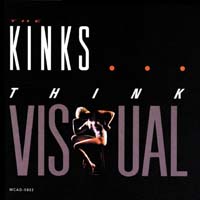 1986Think Visual
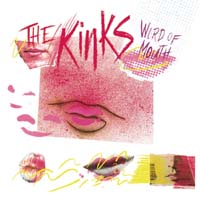 1984Word of Mouth
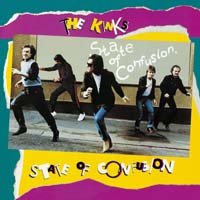 1983State of Confusion
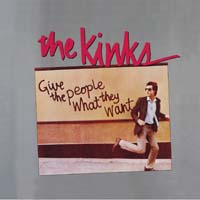 1981Give the People What They Want
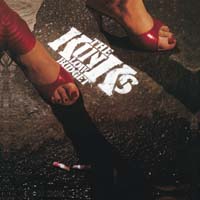 1979Low Budget
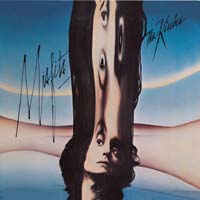 1978Misfits
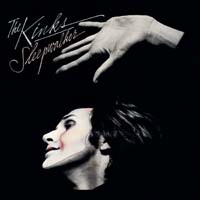 1977Sleepwalker
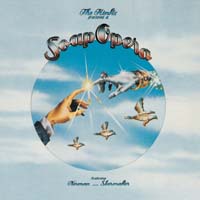 1975Soap Opera
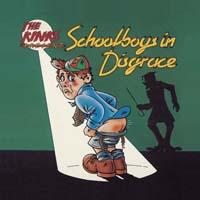 1975Schoolboys in Disgrace
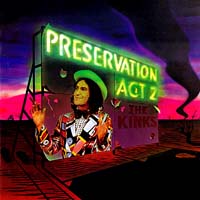 1974Preservation Act 2
 1973Preservation Act 1
 1971Muswell Hillbillies
.jpg) 1969Arthur (or The Decline and Fall of the British Emp
1969Arthur (or The Decline and Fall of the British Emp 1968The Kinks Are The Village Green Preservation Socie
 1966Face to Face
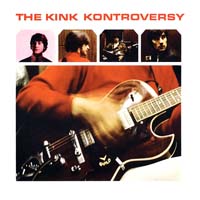 1965The Kink Kontroversy
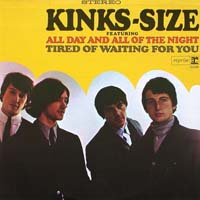 1965Kinks-Size
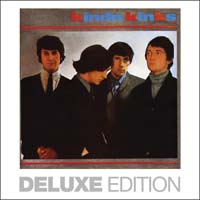 1965Kinda Kinks