
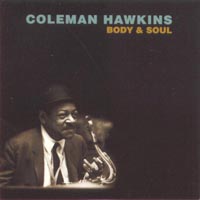
Stasch: discovering Coleman Hawkins's artistry
Stasch- Album Overview
The album "Stasch" by legendary jazz saxophonist Coleman Hawkins was released in 1962 under the label Prestige Records. This album is a significant entry in Hawkins's extensive discography, showcasing his profound artistry and mastery of the tenor saxophone. Recorded during a period when jazz was evolving, "Stasch" features a blend of hard bop and traditional jazz elements, which reflects both Hawkins's roots and his adaptability to the changing musical landscape of the 1960s.
The recording sessions for "Stasch" included notable collaborators such as pianist Tommy Flanagan, bassist Major Holley, and drummer Elvin Jones, each contributing to the rich tapestry of sounds that define the album. The album consists of six tracks, including "Stasch," "Body and Soul," and "The Man I Love," which highlight Hawkins's innovative approach to improvisation and his emotive playing style. The title track, "Stasch," stands out with its intricate melodies and harmonies, showcasing Hawkins's ability to weave complex lines with fluidity.
"Stasch" not only reflects Hawkins's artistic vision but also represents a pivotal moment in jazz history, as it encapsulates the transition from swing to more modern forms of jazz. The album is widely regarded as a testament to Hawkins's enduring influence on subsequent generations of musicians. "Stasch" captures the essence of jazz in the early 1960s, bridging the gap between tradition and innovation, making it a significant listening experience for jazz enthusiasts and newcomers alike.
Review
"Stasch" serves as an exceptional showcase of Coleman Hawkins's distinctive sound and unparalleled technique. The album is marked by a warm, rich tone that Hawkins effortlessly produces, while his phrasing and rhythmic choices bring a fresh perspective to familiar standards. Each track reveals a deep emotional resonance, as Hawkins channels a range of feelings from melancholy to exuberance. The interplay between Hawkins and his band members is particularly noteworthy, with each musician complementing the others' styles perfectly, resulting in a cohesive and dynamic listening experience. The album's production quality is pristine, allowing listeners to appreciate the nuances of each performance. Overall, "Stasch" is a powerful testament to Hawkins's artistry, capturing his ability to both honor jazz traditions and push musical boundaries.
Highlights
- Brilliant improvisation and emotive saxophone playing by Coleman Hawkins.
- Strong contributions from a talented supporting cast, enhancing the overall sound.
- A perfect blend of traditional and modern jazz elements, appealing to a wide audience.
Weak points
- Some tracks may feel less engaging compared to Hawkins's more famous recordings.
- The album's length could leave listeners wanting more from such a masterful artist.
- Limited promotion at the time may have hindered its recognition among mainstream audiences.
Overall evaluation
"Stasch" stands as a compelling entry in Coleman Hawkins's illustrious career, showcasing his ability to evolve while staying true to his jazz roots. This album is a must-listen for anyone interested in the depth and complexity of jazz music.
Personal rating: 8/10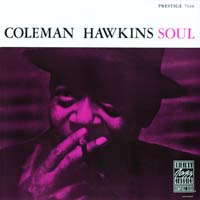 1991Soul