ALBUM NOTESListening to Sirius by Coleman Hawkins-Sirius
Album overview
Coleman Hawkins, the legendary tenor saxophonist, released "Sirius" in 1963 under the label Impulse! Records. This album is a significant entry in Hawkins' discography, showcasing his mastery of the saxophone and his ability to blend various jazz styles. The recording features a mix of traditional jazz elements and emerging avant-garde influences, highlighting Hawkins' adaptability and innovation. Collaborators on this project include notable musicians such as pianist McCoy Tyner, bassist Art Davis, and drummer Elvin Jones, who contribute to the album's rich sound. The title track, "Sirius," is an exploration of complex harmonies and rhythms, demonstrating Hawkins' technical prowess and deep understanding of jazz. The album also includes other notable tracks that showcase improvisational skills and emotional depth. "Sirius" is not only a testament to Hawkins' legacy but also a reflection of the evolving jazz landscape of the early 1960s, a time when artists were beginning to push boundaries and explore new territories in music. Its release during this transformative period in jazz culture underscores Hawkins' role as a bridge between the traditional and modern interpretations of the genre.
Review
"Sirius" is a captivating album that encapsulates the essence of Coleman Hawkins' artistic vision. The sound is rich and layered, with Hawkins' tenor saxophone weaving through intricate melodies and harmonies, supported by a strong ensemble. The album's production values are high, with each instrument clearly defined in the mix, allowing listeners to appreciate the nuances of each performance. Hawkins' ability to convey emotion through his playing is particularly evident on tracks like "Sirius," where he effortlessly transitions from soft, melodic phrases to powerful, expressive bursts. The interplay between the musicians is also noteworthy, with each member contributing to a cohesive yet dynamic sound. While the album may not have the commercial appeal of some of Hawkins' earlier works, it stands as a significant artistic statement, reflecting both his personal growth as a musician and the broader changes occurring within the jazz genre.
Highlights
- Exceptional musicianship from Hawkins and his collaborators.
- Innovative blend of traditional and avant-garde jazz elements.
- Emotionally resonant performances that showcase Hawkins' mastery.
Weak points
- The complexity of some tracks may be challenging for casual listeners.
- Lacks the commercial hits found in Hawkins' earlier discography.
- Could benefit from more varied tempos throughout the album.
Overall evaluation
Coleman Hawkins' "Sirius" is a profound exploration of jazz that highlights the artist's innovative spirit and technical skill. While it may not resonate with all listeners, it undoubtedly contributes to Hawkins' enduring legacy in the jazz world.
Personal rating: 8/10
```


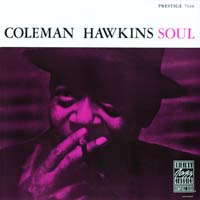 1991Soul