
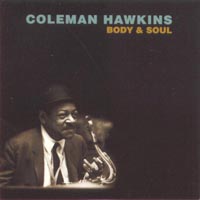
Album spotlight: Coleman Hawkins – James P. Johnson & Coleman Hawkins
James P. Johnson & Coleman Hawkins- Album Overview
The album "James P. Johnson & Coleman Hawkins," released in 1944, stands out as a significant collaboration between two jazz legends: pianist James P. Johnson and tenor saxophonist Coleman Hawkins. Released under the prestigious label, Verve, this album captures a pivotal moment in the evolution of jazz, showcasing the innovative harmonic language and improvisational prowess that both artists were known for. The recording sessions featured a blend of ensemble pieces and solo performances, allowing for a rich exploration of the jazz idiom.
James P. Johnson, often credited as one of the founding figures of stride piano, brought his unique rhythmic style and harmonic sophistication to the project. Coleman Hawkins, known as the "father of the tenor saxophone," contributed his bold sound and expressive phrasing, which had a profound influence on subsequent generations of saxophonists. Their collaboration is marked by a deep musical understanding, highlighted in tracks such as "The Man I Love" and "Body and Soul." These compositions not only demonstrate their individual talents but also showcase their ability to weave together complex musical ideas into cohesive narratives.
While the album does not feature any major charting singles, its influence rippled through the jazz community, inspiring countless musicians to explore the avant-garde approaches to melody and harmony that Hawkins and Johnson exemplified. The recordings were made during a transformative period in jazz, as the genre was beginning to embrace more complex structures and improvisational freedom. This album is a testament to the artistry and innovation that characterized the 1940s jazz scene, marking an essential chapter in the annals of American music history.
Review
Highlights
- Exceptional musicianship from both Johnson and Hawkins, showcasing their virtuosity.
- Innovative arrangements that highlight the strengths of each artist while allowing for improvisational freedom.
- A significant historical artifact that captures the essence of 1940s jazz and its evolution.
Weak points
- Some listeners may find the album's lack of vocal tracks limiting, as it focuses solely on instrumental performances.
- The production quality, while reflective of the era, may not meet modern standards of clarity and depth.
- Limited commercial success could lead to underappreciation of its artistic merits in contemporary discussions of jazz.
Overall evaluation
"James P. Johnson & Coleman Hawkins" is a remarkable collaboration that captures two jazz giants at their best. The album's instrumental focus and historical significance make it a must-listen for anyone interested in the evolution of jazz music.
Personal rating: 8/10 1991Soul