ALBUM NOTESStan Kenton Conducts the Jazz Compositions of Dee: the story Stan Kenton wants to tell
Stan Kenton Conducts the Jazz Compositions of Dee - Album Overview
Stan Kenton Conducts the Jazz Compositions of Dee, released in 1955, showcases the visionary talents of bandleader Stan Kenton and the innovative compositions of his collaborator, Dee Barton. The album was released under the Capitol Records label and is a significant entry in the jazz genre, particularly within the realm of orchestral jazz. This album features a collection of orchestral arrangements that blend elements of big band jazz with intricate harmonies and complex rhythms, a hallmark of Kenton’s distinctive style.
The recording sessions took place in Los Angeles, where Kenton assembled a talented ensemble of musicians, including prominent jazz soloists and skilled arrangers. The album features original compositions by Barton, who was known for his ability to merge classical influences with contemporary jazz, thus expanding the boundaries of what jazz could be. The tracks include standout pieces such as "A Waltz for Dee" and "The Journey," which exemplify Barton's lyrical yet adventurous approach to composition.
Kenton's orchestration brings a cinematic quality to the music, allowing the listener to experience a narrative journey through each track. The album's release came during a period of great experimentation in jazz, where musicians were seeking to elevate the genre to new artistic heights. Kenton’s commitment to pushing the boundaries of jazz through innovative arrangements and rich orchestration makes this album a cultural milestone. It is regarded not just as a collection of songs but as a cohesive artistic statement that reflects the vision of two creative forces in jazz history.
Review
The sound of Stan Kenton Conducts the Jazz Compositions of Dee is a captivating blend of orchestral finesse and jazz improvisation. Kenton’s arrangement style is characterized by bold brass sections, lush strings, and intricate woodwinds, creating a rich tapestry that supports the melodic lines of Barton’s compositions. The album successfully captures the dynamic energy of live performances while maintaining a polished studio sound.
While there are no lyrics in the traditional sense, the music itself tells a story, with each track unfolding like a chapter in a larger narrative. The interplay between the musicians is tight yet exploratory, allowing for moments of improvisation that breathe life into the structured arrangements. Kenton’s artistic vision is evident as he pushes the envelope of jazz orchestration, inviting listeners into an immersive experience that transcends mere entertainment.
This album stands as a testament to the era's cultural significance, where jazz was evolving and being embraced as a serious art form. The collaboration between Kenton and Barton represents a fruitful intersection of artistic ambition and technical skill, making it a noteworthy contribution to jazz history.
Highlights
- Innovative orchestration that merges classical and jazz elements.
- Strong compositions by Dee Barton that challenge traditional jazz norms.
- A cohesive narrative flow that engages listeners from start to finish.
Weak points
- Some listeners may find the orchestral style less accessible compared to traditional jazz formats.
- Occasional over-complexity in arrangements that may overwhelm casual listeners.
- Lack of prominent solo features compared to Kenton's earlier big band works.
Overall evaluation
Stan Kenton Conducts the Jazz Compositions of Dee is an ambitious and artistically rich album that showcases the innovative spirit of mid-20th century jazz. It reflects both the collaborative strengths of Kenton and Barton and the era's artistic evolution.
Personal rating: 8/10

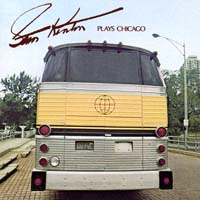
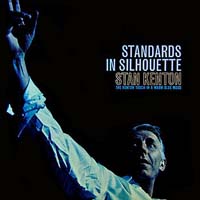 1998Standards in Silhouette
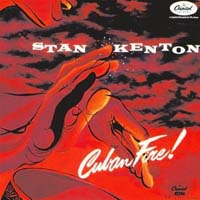 1991Cuban Fire
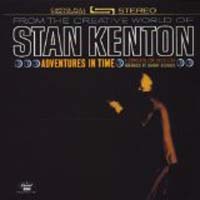 0Adventures in Time