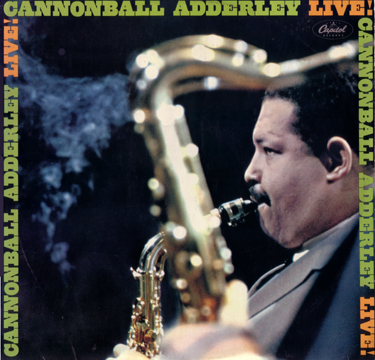
ALBUM NOTESA closer look at Cannonball Adderley's album Somethin’ Else: The Stereo & Mono Versions (pl
Somethin’ Else: The Stereo & Mono Versions (pl- Album Overview
Cannonball Adderley's album "Somethin’ Else," originally released in 1958, stands as a cornerstone in the jazz genre, showcasing the innovative spirit of the late 1950s. This album was recorded on March 6, 1958, at the Van Gelder Studio in Englewood Cliffs, New Jersey, under the iconic Blue Note Records label, known for its rich catalog of jazz classics. The album features a stellar lineup, including Julian "Cannonball" Adderley on alto saxophone, Miles Davis on trumpet, Hank Jones on piano, Sam Jones on bass, and Art Taylor on drums.
"Somethin’ Else" is distinct for its blend of hard bop and modal jazz, a precursor to the jazz fusion movements that would follow. The album includes five tracks, with the title piece "Somethin' Else" standing out as a defining moment in Adderley's career. The recording is particularly notable for its mix of both mono and stereo versions, which highlights the intricate nuances of each performance and the differing auditory experiences they provide. Released in a time when jazz was expanding its reach, the album not only solidified Adderley’s reputation but also showcased Davis's melodic sensibility and improvisational prowess.
The album's cultural significance extends beyond its musicality; it epitomizes the collaborative spirit of jazz during this era, blending individual artistry into cohesive performances that resonate with both casual listeners and seasoned aficionados. "Somethin’ Else" has been influential in shaping the sound of contemporary jazz and continues to be celebrated for its timeless appeal.
Review
"Somethin’ Else" is a brilliant showcase of not only Cannonball Adderley’s virtuosic abilities but also the stunning interplay between its ensemble members. The album opens with the title track, a piece that immediately pulls the listener into a world of melodic richness and rhythmic complexity. Adderley’s alto saxophone is both fluid and assertive, embodying the essence of jazz improvisation.
Miles Davis’s contributions are equally compelling, providing a perfect counterbalance to Adderley’s exuberance. The interplay between the two is masterful, with each musician allowing space for the other to shine. The recording quality captures the live essence of the performance, allowing listeners to feel as if they are part of the intimate session.
While the album does not feature lyrics, its emotional depth and expressive solos convey a narrative that transcends the need for words. Each track flows seamlessly into the next, creating an engaging listening experience that invites repeated play. The mono and stereo versions offer unique insights into the production choices, allowing listeners to appreciate the subtleties of sound and arrangement.
Highlights
- Exceptional interplay between Adderley and Davis, showcasing their chemistry.
- Rich production quality that captures the essence of jazz improvisation.
- Timeless compositions that continue to resonate with both new and seasoned jazz fans.
Weak points
- Some listeners may find the absence of lyrics limiting in emotional expression.
- The album’s short runtime may leave fans wanting more from such talented musicians.
- While the mono and stereo versions are intriguing, not all listeners may appreciate the differences.
Overall evaluation
"Somethin’ Else" remains a quintessential jazz album that exemplifies the collaborative spirit of its time, showcasing the brilliance of Cannonball Adderley and his contemporaries. Its blend of musicality, improvisation, and production quality makes it a must-listen for any jazz enthusiast.
Personal rating: 9/10