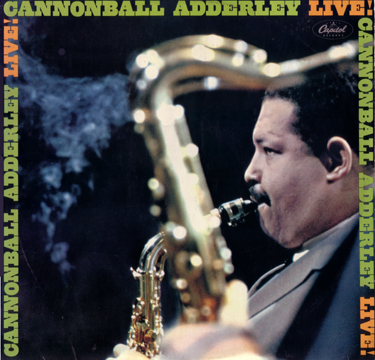
ALBUM NOTESJulian Cannonball Adderley: the story Cannonball Adderley wants to tell
Julian Cannonball Adderley- Album Overview
Cannonball Adderley released his album "Julian Cannonball Adderley" in 1956 under the Riverside Records label. This album marks an important milestone in the development of jazz, as it showcases Adderley's innovative approach to the genre, blending hard bop with elements of soul jazz. The album features a collection of tracks that highlight Adderley's virtuosic saxophone playing, along with a stellar lineup of musicians including pianist Bobby Timmons, bassist Sam Jones, and drummer Art Taylor.
Recorded in a period when jazz was evolving and gaining a wider audience, "Julian Cannonball Adderley" presents tracks that exhibit both technical prowess and emotional depth. The album includes notable pieces such as "A Little Taste," "Waltz for Debby," and "You’re a Joy," each reflecting Adderley's signature style that combines joyful rhythms with poignant melodies. The production of the album was marked by the collaborative spirit among its musicians, which brought forth a vibrant sound that resonated with both critics and fans.
The significance of this album lies not just in its musical content, but also in its cultural impact. Adderley was instrumental in bringing jazz to a broader audience, and his work during this era helped pave the way for future generations of musicians. The album has remained influential, often cited in discussions about the evolution of modern jazz and its ability to express complex emotions through improvisation and lyrical composition.
Review
"Julian Cannonball Adderley" is a celebration of jazz that encapsulates the essence of its time while pushing boundaries. The sound is characterized by Adderley's warm, rich tone, which effortlessly navigates through complex melodies and rhythms. The interplay between the musicians is palpable, creating a cohesive yet dynamic listening experience.
Tracks like "Waltz for Debby" showcase Adderley’s ability to blend lyrical sophistication with improvisational flair, making it a standout piece on the album. The arrangements are tight yet allow for individual expressions, particularly from Timmons on piano, whose rhythmic comping and soulful solos enhance the overall texture of the music.
The artistic vision of Adderley is clear throughout the album—he wants to tell stories through his music, drawing listeners into a world that is both familiar and exciting. The emotional depth of each track invites reflection, making this album not just a collection of songs, but a journey through the heart of jazz.
Highlights
- Virtuosic saxophone performances by Cannonball Adderley.
- Strong collaborative chemistry among the band members.
- Emotionally resonant compositions that define the jazz genre.
Weak points
- Some tracks may feel less impactful compared to the standout pieces.
- Occasional reliance on traditional jazz structures may not appeal to all listeners.
- Limited exploration of experimental sounds found in later jazz recordings.
Overall evaluation
"Julian Cannonball Adderley" is a remarkable album that not only showcases Cannonball Adderley's exceptional talent but also captures the spirit of jazz in the 1950s. It stands as a significant work in the jazz canon, emphasizing emotional expression and musical camaraderie.
Personal rating: 8/10