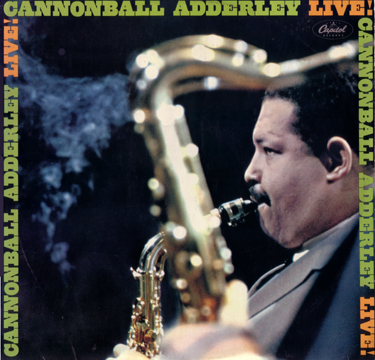
ALBUM NOTESAlbum spotlight: Cannonball Adderley-Pyramid – Pyramid
Album overview
Cannonball Adderley's "Pyramid," released in 1974, is a remarkable jazz album that showcases the alto saxophonist's prowess and creative vision. The album was recorded under the Fantasy Records label and is notable for its innovative blending of jazz with elements of funk and soul, reflecting the musical trends of the time. The recording sessions took place in New York City, where Adderley collaborated with a talented ensemble, including pianist Nat Adderley, bassist Walter Booker, drummer Roy McCurdy, and percussionist Candido. The album features a total of six tracks, with standout compositions like "The Black Messiah" and "The Scavenger," both highlighting Adderley's distinctive sound and improvisational skills.
In "Pyramid," Adderley crafts a sonic landscape that resonates with the cultural and political climate of the 1970s, addressing themes of identity and social consciousness. The album is often praised for its rich textures and dynamic arrangements, which incorporate a variety of instruments and styles. Adderley's work during this period is significant not only for its artistic merit but also for its contribution to the evolution of jazz music and its intersection with broader cultural movements. While "Pyramid" may not be as widely recognized as some of Adderley's earlier works, it remains a vital part of his discography, showcasing his continuous growth as an artist and his willingness to push musical boundaries.
Review
"Pyramid" reflects a seamless blend of jazz sophistication and rhythmic vitality, showcasing Adderley’s ability to navigate complex musical landscapes. The album opens with "The Black Messiah," a track that immediately draws in listeners with its upbeat tempo and engaging melodies. Adderley’s alto saxophone dances through the arrangement, underpinned by a tight rhythm section that provides both support and intricate counterpoints. Lyrically and thematically, "Pyramid" does not rely on traditional song structures, instead, it embraces a freeform approach, allowing musicians to explore their creativity fully.
The production is crisp and dynamic, highlighting the interplay between instruments, particularly the synergy between the saxophone and piano. Each track is an exploration, with the musicians pushing one another to dig deeper into their improvisational instincts. The album embodies a sense of urgency and relevance that resonates with its historical context, making it not just a collection of songs but a statement of artistic expression during a time of social change.
Highlights
- Innovative blend of jazz, funk, and soul elements.
- Strong collaborative chemistry among the musicians.
- Engaging and thought-provoking thematic content.
Weak points
- Less mainstream recognition compared to Adderley's earlier works.
- Some tracks may feel less accessible to casual listeners.
- Occasional overindulgence in improvisation, which might alienate traditional jazz purists.
Overall evaluation
Cannonball Adderley's "Pyramid" is a compelling exploration of jazz that reflects the artist’s evolution and the cultural landscape of the 1970s. It may not be his most celebrated album, but its artistic merit and innovative spirit make it a noteworthy addition to his oeuvre.
Personal rating: 8/10
```