
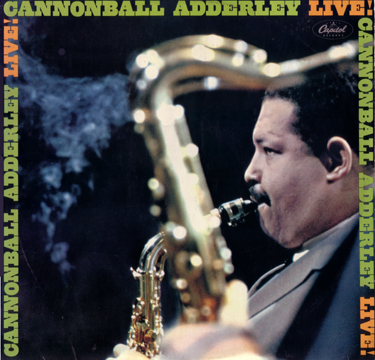
Julian Cannonball Adderley And Strings by Cannonball Adderley: expectations vs reality
Julian Cannonball Adderley And Strings- Album Overview
Released in 1962, "Julian Cannonball Adderley And Strings" is a notable jazz album that showcases the extraordinary talents of alto saxophonist Cannonball Adderley. Produced by David Axelrod and released under the Riverside Records label, this album marks a significant moment in Adderley's career as it combines his dynamic jazz style with lush string arrangements. The recording sessions took place in New York City, featuring a talented ensemble that included jazz luminaries such as Nat Adderley (cornet), Walter Booker (bass), and Roy Haynes (drums), alongside an orchestral arrangement that embellishes Adderley’s distinctive sound. The album consists of a total of 10 tracks, including notable pieces like "A Little Taste," "I Can't Get Started," and "My Foolish Heart." These tracks illustrate a blend of jazz improvisation and orchestral harmony, creating a rich listening experience. The singles released from the album helped solidify Adderley's reputation as a versatile musician capable of crossing genres and appealing to a wider audience. The cultural significance of this album lies in its fusion of jazz and orchestral elements, reflecting a period in the early 1960s when jazz was beginning to explore more expansive musical forms. Adderley’s ability to interpret standards with a fresh perspective contributed to his legacy as a key figure in the jazz landscape.
Review
Expectations for "Julian Cannonball Adderley And Strings" were high, given Adderley's previous work in hard bop and his collaborations with the likes of Miles Davis. The album, however, ventures into territory that may surprise purists. The lush string arrangements, while beautifully executed, tend to overshadow Adderley's signature improvisational style at times. The result is a polished production that feels more restrained than invigorating. Tracks like "My Foolish Heart" highlight Adderley’s soulful saxophone voice, yet the orchestral backdrop can feel overly sentimental, pulling focus from his spontaneous artistry. Despite this, Adderley’s warm, expressive sound still shines through, particularly in the more rhythmic sections where the strings act in harmony rather than as a dominant force. The overall artistic vision is ambitious, aiming to bridge the gap between traditional jazz and orchestral music, yet it occasionally results in a tension between the improvisational spirit of jazz and the structured nature of orchestral arrangements. This dichotomy raises questions about whether the fusion enhances or detracts from Adderley’s improvisational prowess.
Highlights
- Rich orchestral arrangements that enhance the listening experience.
- Cannonball Adderley’s expressive saxophone work shines in several tracks.
- The album's ambitious fusion of jazz and classical elements showcases Adderley’s versatility.
Weak points
- Occasional overshadowing of Adderley’s improvisational style by the orchestral backdrop.
- Some tracks may feel overly sentimental or restrained compared to his more dynamic works.
- The ambitious fusion may alienate traditional jazz purists.
Overall evaluation
"Julian Cannonball Adderley And Strings" is a fascinating exploration of the intersections between jazz and orchestral music, showcasing Adderley’s talent while also presenting challenges in balancing these two worlds. While it may not fully satisfy all jazz aficionados, it remains a significant entry in Adderley’s discography, reflecting both the era's experimental spirit and his enduring influence on the genre.
Personal rating: 7/10