
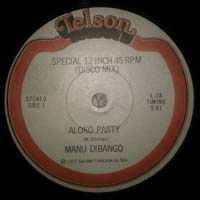
Seventie's: what Manu Dibango wants you to feel
Seventie's- Album Overview
"Seventie's" is a remarkable album released in 1973 by the celebrated Cameroonian saxophonist and vibraphonist Manu Dibango. Known for his unique fusion of jazz, funk, and traditional African rhythms, Dibango's work in this album is a testament to his artistry and cultural roots. Released under the label Fiesta Records, "Seventie's" showcases a rich tapestry of sounds that reflect the vibrancy of the 1970s music scene.
The album features a collection of tracks that highlight Dibango's virtuosic saxophone skills alongside his ability to blend genres seamlessly. Collaborating with a range of talented musicians, including the renowned guitarist and producer, Dibango was able to create a sound that was both innovative and deeply connected to African musical traditions. Notable tracks include "Soul Makossa," which went on to become a global sensation and is often credited with influencing the development of disco music. Although "Seventie's" did not receive the same level of commercial success as some of his later works, it played a crucial role in establishing Dibango's reputation as a pioneer in world music.
The album's recording took place in various studios, where Dibango aimed to capture the essence of live performance while experimenting with studio techniques. This resulted in a warm and organic sound that resonates throughout the tracks. "Seventie's" reflects a period of cultural significance, as it coincided with a growing interest in African music on the global stage, and Dibango's contributions were instrumental in bridging the gap between traditional African sounds and contemporary music.
Review
The sound of "Seventie's" is an eclectic mix of jazz-funk and Afrobeat, characterized by infectious grooves and melodic improvisation. Dibango’s saxophone takes center stage, showcasing his ability to convey emotion through every note. The album's production is sophisticated yet retains a raw quality that gives it authenticity. Lyrically, the songs often reflect themes of unity and celebration, embodying the spirit of the 1970s, a time of social change and cultural exploration.
Artistically, Dibango's vision in "Seventie's" is clear: he wants listeners to feel the joy and vibrancy of life through music. The rhythmic percussion and bass lines invite listeners to dance, while the melodies evoke a sense of nostalgia. This album is a powerful reminder of how music can transcend boundaries and connect people from different backgrounds. The overall experience is one of warmth, joy, and a celebration of African heritage.
Highlights
- Masterful saxophone performances that showcase Dibango's virtuosity.
- Rich fusion of jazz, funk, and traditional African rhythms.
- Tracks that resonate emotionally and invite listeners to dance.
Weak points
- Some tracks may feel repetitive to listeners unfamiliar with the genre.
- Lack of commercial hits compared to Dibango's later works.
- Production quality varies between tracks, occasionally detracting from the listening experience.
Overall evaluation
"Seventie's" is a significant album that captures the essence of Manu Dibango's innovative spirit and cultural heritage. While it may not have achieved mainstream success, its influence on the world music scene is undeniable. The album serves as a vibrant reminder of the power of music to evoke emotion and unite people.
Personal rating: 8/10