ALBUM NOTESA closer look at Jean Michel Jarre's album Revolutions
Revolutions- Album Overview
Jean Michel Jarre's "Revolutions," released in 1988, stands as a significant entry in the realm of electronic music. This album was produced under the Dreyfus label and showcases Jarre's innovative approach to sound design and composition. Recorded in various locations worldwide, including Paris and Mexico City, the album features a blend of electronic, ambient, and new age genres, encapsulating the spirit of a rapidly changing world.
"Revolutions" is notable for its collaboration with a diverse array of artists and musicians. Noteworthy among them are Mexican percussionist Luis Conte and the string section of the National Symphony Orchestra of Mexico, contributing to the album's rich sonic tapestry. The album spawned several singles, including "Revolutions," "Zoolookologie," and "Last Rendez-Vous," which gained traction on radio and in clubs, further solidifying Jarre's status as a pioneer in electronic music.
Culturally, "Revolutions" reflects the socio-political climate of the late 1980s, coinciding with a period of profound change marked by the end of the Cold War and the emergence of new technologies. Jarre's work during this time not only resonated with the public but also influenced a generation of electronic musicians. The album's themes of unity and global consciousness are conveyed through its intricate melodies and rhythmic structures, making it a landmark in Jarre's discography.
Review
"Revolutions" is a masterclass in electronic soundscapes, showcasing Jean Michel Jarre's ability to fuse complex melodies with rhythmic innovation. The album opens with a title track that sets the tone for an auditory journey, featuring cascading synths and driving beats that encapsulate the notion of evolution and change. The interplay between acoustic instruments and electronic sounds throughout the album creates a unique auditory experience that is both immersive and thought-provoking.
Lyrically, the album eschews traditional song structures, opting instead for instrumental narratives that evoke a range of emotions. This approach allows listeners to engage with the music on a more personal level, interpreting the soundscapes as they see fit. Jarre's artistic vision is evident in his commitment to exploring new technologies and pushing the boundaries of what electronic music can achieve.
While some tracks may feel slightly dated by today's standards, the overall sound remains timeless, as Jarre's visionary approach continues to inspire contemporary artists within the genre.
Highlights
- Innovative blend of acoustic and electronic instrumentation.
- Rich, immersive soundscapes that evoke deep emotional responses.
- Culturally significant themes that resonate with the late 1980s zeitgeist.
Weak points
- Some tracks may feel overly experimental for mainstream listeners.
- A few moments lack the dynamic range found in Jarre's earlier works.
- Occasional reliance on dated synth sounds that may not appeal to all audiences.
Overall evaluation
"Revolutions" is a testament to Jean Michel Jarre's brilliance as a composer and innovator in electronic music. While it presents some challenges for modern listeners, its historical and cultural significance cannot be overstated. The album remains a vital chapter in Jarre's career and the evolution of the genre.
Personal rating: 8/10


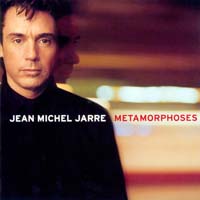 2000Metamorphoses
 1986Rendez-vous
 1984Zoolook