

Inside Oxygène 7–13 by Jean Michel Jarre
Oxygène 7–13- Album Overview
Released in 1997, "Oxygène 7–13" is the seventh studio album by renowned French electronic music pioneer Jean Michel Jarre. This album serves as a sequel to his iconic 1976 album "Oxygène," which played a significant role in popularizing electronic music worldwide. "Oxygène 7–13" was produced under the label Disques Dreyfus and showcases Jarre's innovative approach to sound design and composition, utilizing synthesizers, sequencers, and digital technology to create atmospheric soundscapes.
The recording of the album took place at Jarre's own studio, where he meticulously crafted each track to ensure a rich auditory experience. Collaborators on this project included his long-time associate and sound engineer, Claude Samard, who contributed to the technical aspects of the album, helping to achieve the distinct sonic quality Jarre is known for.
The album comprises six tracks, each bearing the title "Oxygène" followed by a number, continuing the thematic and musical lineage from the original. Notable tracks include "Oxygène, Pt. 7" and "Oxygène, Pt. 13," which are characterized by their lush synthesizer arrangements and ethereal melodies. The album's significance lies not only in its commercial success but also in its demonstration of how electronic music can evoke emotional resonance and narrative depth.
Upon its release, "Oxygène 7–13" received positive reviews and further solidified Jarre's status as a leading figure in the electronic music genre. Its influence can be seen in the works of many contemporary artists who draw inspiration from Jarre's pioneering soundscapes. The album's fusion of technology and artistry continues to resonate with fans and critics alike, making it a crucial entry in Jarre's illustrious discography.
Review
"Oxygène 7–13" is a masterclass in atmospheric electronic music, echoing the pioneering spirit of its predecessor while firmly establishing its own identity. The album transcends mere sound, immersing listeners in a sonic journey that is both introspective and expansive. Jarre's use of synthesizers is nothing short of extraordinary, crafting layers of sound that create a sense of depth and dimension. Each track unfolds like a story, with evolving motifs and textures that invite deep listening.
Lyrically, the album is instrumental, relying on the power of sound to convey emotions and themes rather than traditional song structures. This approach allows for a more profound engagement with the listener, as the music evokes imagery and feelings without the constraints of words. Jarre's artistic vision comes through in the seamless transitions between tracks, creating a cohesive narrative that feels both organic and meticulously crafted.
The production quality is top-notch, showcasing Jarre's ability to blend analog warmth with digital precision. The album's sound design is rich and varied, with each track offering something unique while remaining true to the overarching theme. Overall, "Oxygène 7–13" stands as a testament to Jean Michel Jarre's enduring legacy and his ability to innovate within the electronic genre.
Highlights
- Exceptional sound design that creates immersive auditory landscapes.
- Cohesive thematic continuity with the original "Oxygène" album.
- Emotionally resonant compositions that transcend traditional electronic music boundaries.
Weak points
- Lack of vocal elements may limit accessibility for some listeners.
- Occasional repetition of motifs may reduce engagement over time.
- Some tracks may feel overly long, testing the patience of casual listeners.
Overall evaluation
In summary, "Oxygène 7–13" is a brilliant continuation of Jean Michel Jarre's legacy, showcasing his unparalleled ability to blend technology
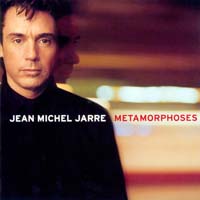 2000Metamorphoses
 1986Rendez-vous
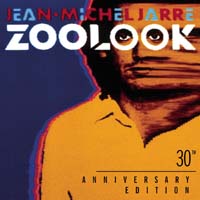 1984Zoolook