ALBUM NOTESUnpacking Jean Michel Jarre-Oxygène 7-13's Oxygène 7-13
Album overview
Jean Michel Jarre's "Oxygène 7-13," released in 1997, marks a significant continuation of his pioneering work in electronic music, particularly as a sequel to his iconic 1976 album "Oxygène." This album was released under the label Disques Dreyfus and features a blend of ambient, new age, and electronic genres that Jarre is well-known for. The recording showcases Jarre's innovative use of synthesizers and soundscapes, continuing to push the boundaries of electronic music. Collaborating with musicians such as the talented Claude Samard, Jarre created an auditory experience that resonates with both nostalgia and modernity. The album consists of six tracks, including "Oxygène, Pt. 7" through "Pt. 13," each named to reflect its continuity with the original "Oxygène." This work not only pays homage to its predecessor but also explores new themes and technological advancements in music production, showcasing Jarre's ability to adapt and innovate. "Oxygène 7-13" also includes notable singles like "Oxygène, Pt. 7," which received significant airplay and contributed to the album's success. The album is culturally significant as it represents the enduring legacy of electronic music and its evolution into the late '90s, reflecting a merging of traditional musical elements with cutting-edge technology.
Review
"Oxygène 7-13" delivers a captivating soundscape that echoes the essence of Jarre's original work while infusing it with contemporary elements. The album is rich in atmospheric textures and layered synth melodies, creating an immersive listening experience that transports the audience to ethereal realms. Each track flows seamlessly into the next, maintaining a cohesive narrative throughout the album. Jarre's artistic vision is evident in his meticulous attention to detail, every sound is carefully crafted, contributing to the overall sonic tapestry. The absence of traditional lyrics allows listeners to interpret the music in a personal way, inviting a meditative state that is both introspective and expansive. While some may argue that the album lacks the groundbreaking impact of its predecessor, it stands strong as an evolution of Jarre's artistry, showcasing his ability to harness technology to evoke emotion and atmosphere.
Highlights
- Innovative use of synthesizers and soundscapes.
- Cohesive flow between tracks, creating an immersive experience.
- Continues the legacy of the original "Oxygène" while exploring new musical themes.
Weak points
- May lack the groundbreaking novelty of the original "Oxygène."
- Some listeners might find the absence of vocals limiting.
- The album's pacing could be perceived as slow for those seeking more dynamic shifts.
Overall evaluation
"Oxygène 7-13" is a testament to Jean Michel Jarre's enduring influence in the realm of electronic music. While it may not replicate the revolutionary impact of its predecessor, it successfully builds upon that foundation and showcases Jarre's continued evolution as an artist. The album is a rich, atmospheric journey that resonates well with fans of the genre.
Personal rating: 8/10
```


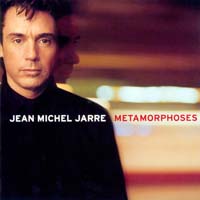 2000Metamorphoses
 1986Rendez-vous
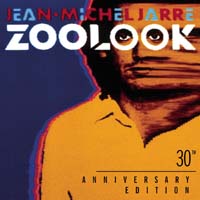 1984Zoolook