ALBUM NOTESAlbum spotlight: Jean Michel Jarre-Les Chants magnétiques / Magnetic Fields – Les Chants magnétiques / Magnetic Fields
Album overview
Jean Michel Jarre's "Les Chants magnétiques" (translated as "Magnetic Fields"), released in 1981, stands as a monumental work in the electronic music genre. This album was the first by Jarre to be released on his own label, Disques Dreyfus, following his earlier success with "Oxygène." Spanning six tracks, the album showcases Jarre's innovative use of synthesizers and electronic soundscapes, cementing his status as a pioneer in the genre. The tracks include "Magnetic Fields Part 1," "Part 2," "Part 3," "Part 4," and others, each exploring the fusion of melody and rhythm through avant-garde production techniques.
The album's production involved the use of a variety of synthesizers, including the ARP 2600 and the EMS Synthi AKS, which contributed to its unique sound palette. The collaboration with sound engineer Michel Geiss was pivotal, allowing Jarre to push the boundaries of electronic music further. "Les Chants magnétiques" was notable for its incorporation of multimedia elements, as Jarre accompanied the album's release with a groundbreaking concert in Paris, featuring spectacular light shows and projections. The album has since been regarded as a critical influence on the development of electronic music, inspiring countless artists and shaping the sound of the 1980s and beyond.
Review
"Les Chants magnétiques" is a captivating exploration of sound that encapsulates the essence of early electronic music. The album opens with "Magnetic Fields Part 1," where Jarre masterfully layers synthesizer lines, creating a mesmerizing atmosphere that feels both futuristic and timeless. Each subsequent part of the album builds on this foundation, with intricate arrangements that evoke a sense of space and movement. The absence of traditional lyrics allows listeners to interpret the music's narrative in their own way, inviting a personal connection to the auditory experience.
The production quality is exemplary, showcasing Jarre's meticulous attention to detail. The interplay of synthetic sounds and rhythm creates a sonic tapestry that is both rich and inviting. Additionally, the thematic focus on technology and its relationship with nature resonates deeply, making it a culturally significant work that reflects the zeitgeist of the early 1980s. Overall, Jarre's artistic vision shines through in "Les Chants magnétiques," positioning him as an innovator and a key figure in the evolution of electronic music.
Highlights
- Innovative use of synthesizers and sound design.
- Groundbreaking live performances that complemented the album's release.
- Cultural significance in the evolution of electronic music.
Weak points
- Lack of traditional song structures may alienate some listeners.
- Some tracks may feel repetitive in their exploration of themes.
- Production techniques may seem dated to modern ears.
Overall evaluation
"Les Chants magnétiques" is a landmark album that showcases Jean Michel Jarre's innovative spirit and artistic vision. While it may not appeal to everyone due to its avant-garde nature, its influence on electronic music is indisputable.
Personal rating: 8/10
```


 2000Metamorphoses
 1986Rendez-vous
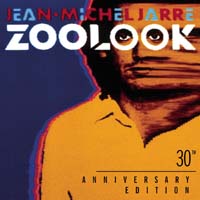 1984Zoolook