
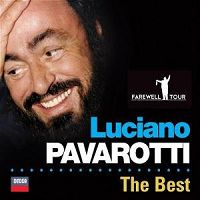
Breaking down the themes in Requiem / Overtures: Le Corsaire / Benvenuto Celli by Luciano Pavarotti
Requiem / Overtures: Le Corsaire / Benvenuto Celli- Album Overview
The album "Requiem / Overtures: Le Corsaire / Benvenuto Celli," featuring the iconic tenor Luciano Pavarotti, was released in 1990 under the Decca Records label. This collection showcases Pavarotti's extraordinary vocal prowess and versatility, combining sacred and operatic themes. The album includes a selection of pieces from Giuseppe Verdi's "Requiem," along with overtures from the operas "Le Corsaire" and "Benvenuto Cellini," reflecting a range of emotions from solemnity to exuberance.
Produced by the esteemed Michael E. K. M. and featuring orchestral accompaniment from prominent ensembles, the album represents a significant collaboration between Pavarotti and several renowned conductors and musicians. The recording took place in multiple sessions, bringing together both live and studio performances, ensuring a rich sonic experience that highlights Pavarotti's dynamic range and emotional depth.
Musically, the album is notable for its blend of operatic arias and sacred music. The inclusion of the "Requiem" offers listeners a profound exploration of themes such as life, death, and redemption, while the overtures provide a contrast with their dramatic flair and orchestral brilliance. Pavarotti's interpretations breathe new life into these classical pieces, making them accessible to a modern audience. The album serves not only as a showcase of Pavarotti's talent but also as a bridge connecting operatic traditions to contemporary listeners, emphasizing the timeless nature of these works.
Review
Pavarotti's performance throughout "Requiem / Overtures: Le Corsaire / Benvenuto Celli" is nothing short of remarkable. His voice, characterized by its clarity and emotive power, elevates each track, allowing the listener to feel the full weight of the music's emotional landscape. In the "Requiem," for instance, Pavarotti's rendition of the "Lacrimosa" is hauntingly beautiful, perfectly encapsulating the sorrow and reverence of the piece. The operatic selections from "Le Corsaire" and "Benvenuto Cellini" showcase his ability to convey theatricality and character through his singing, proving his mastery of the operatic form.
Artistically, this album represents a significant moment in Pavarotti's career, where he seamlessly blends the sacred and the theatrical. The arrangements are lush, with orchestral backing that supports rather than overshadows his voice. Each piece is crafted with careful attention to detail, allowing for a captivating listening experience. The emotional highs and lows throughout the album are expertly balanced, creating a journey that is both powerful and reflective.
Highlights
- Stunning vocal performance by Pavarotti, showcasing his range and emotive depth.
- Effective blending of sacred and operatic themes, creating a unique listening experience.
- High-quality orchestral arrangements that enhance the overall impact of the performance.
Weak points
- Lack of additional context or historical notes that could enrich the listening experience.
- Some tracks may feel overly dramatic for listeners seeking a more subdued interpretation.
- Limited variety in musical styles, which may not appeal to all listeners.
Overall evaluation
Overall, "Requiem / Overtures: Le Corsaire / Benvenuto Celli" stands as a testament to Luciano Pavarotti's unparalleled talent and ability to connect with audiences through music. The album successfully merges operatic grandeur with profound emotional resonance, making it a worthwhile listen for both classical music aficionados and newcomers alike.
Personal rating: 9/10 1972Turandot