ALBUM NOTESExploring the sound of Luciano Pavarotti-Pavarotti Songbook: Pavarotti Songbook
Album overview
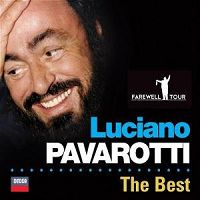
The "Pavarotti Songbook," released in 1990, showcases the incredible talent of the legendary tenor Luciano Pavarotti. This album, which was produced under the Deutsche Grammophon label, features a collection of operatic arias and popular songs that highlight Pavarotti's extraordinary vocal range and emotional depth. The recording sessions included collaborations with prominent orchestras and conductors, cementing Pavarotti's status as one of the most celebrated operatic voices of the 20th century.
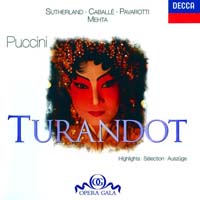
The album includes iconic tracks such as "Nessun dorma" from Puccini's "Turandot," which became one of Pavarotti's signature pieces, particularly after his performance at the 1990 FIFA World Cup. The choice of repertoire balances classical opera with accessible pieces, aiming to reach both traditional opera aficionados and new listeners. The production was marked by a commitment to high-quality sound, ensuring that Pavarotti's powerful tenor resonated beautifully across the recording.
"Pavarotti Songbook" is not just a showcase of vocal ability, it represents a cultural phenomenon where opera began to permeate popular culture, thanks in large part to Pavarotti's charisma and approachability. His performances helped demystify opera for a broader audience, making this album a significant entry point for many into the world of classical music.
Review
Luciano Pavarotti's "Pavarotti Songbook" is a remarkable testament to the tenor's artistry and the universal appeal of his voice. The album's sound is lush and vibrant, a perfect marriage of orchestra and voice that elevates each track. Pavarotti's ability to convey emotion is palpable, especially in pieces like "La donna è mobile," where his interpretation brings a freshness to the well-known aria.
Lyrically, the songs draw from classic opera, yet Pavarotti imbues them with a sensibility that resonates with contemporary listeners. His interpretation goes beyond mere technical prowess, it is filled with passion and storytelling that captivates the audience. The album also serves as an introduction to opera for many, breaking down barriers with Pavarotti’s approachable style.
The artistic vision behind the "Pavarotti Songbook" is evident, as it seeks to bridge the gap between classical and popular music. While some tracks may feel more classical in nature, Pavarotti's charisma ensures that the listener is engaged regardless of their musical background.
Highlights
- Pavarotti's extraordinary vocal range and emotional delivery.
- A diverse selection of tracks that appeal to both opera enthusiasts and casual listeners.
- The high-quality production that captures the richness of his voice and orchestration.
Weak points
- Some may find the classical repertoire less appealing if they prefer contemporary genres.
- Occasional orchestral arrangements may overshadow Pavarotti's voice in certain tracks.
- Limited original compositions, primarily focusing on well-known arias.
Overall evaluation
Overall, "Pavarotti Songbook" stands as a significant contribution to both Luciano Pavarotti's legacy and the classical music community. It serves as an accessible entry point into opera while showcasing Pavarotti’s unmatched talent. The album’s blend of emotion, technical skill, and production quality makes it a must-listen for both seasoned opera fans and newcomers alike.
Personal rating: 9/10
```

 1972Turandot