ALBUM NOTESWhy Luciano Pavarotti's La Sonnambula matters
La Sonnambula- Album Overview
Luciano Pavarotti's "La Sonnambula," released in 1971, stands out as a significant recording in the world of operatic music. This album features the renowned tenor's interpretations of the arias from Vincenzo Bellini's opera "La Sonnambula," which translates to "The Sleepwalker." The recording was produced under the Deutsche Grammophon label, known for its commitment to high-quality classical music production.
Pavarotti collaborated with the esteemed conductor and composer Giuseppe Patanè, leading a stellar cast that includes soprano Mirella Freni, who is celebrated for her own virtuosic talents. The album is notable not just for its performances but also for its historical context; it was released during a period when Pavarotti was beginning to emerge as a global superstar, contributing significantly to the popularization of opera.
The album includes several key tracks, such as "Prendi, quell'anel ti dono" and "Ah! non credea mirarti," showcasing Pavarotti's powerful voice and emotional depth. His interpretation of Bellini's lyrical melodies provides a fresh perspective on the opera, making it accessible to both seasoned opera lovers and newcomers alike. The cultural significance of "La Sonnambula" is profound, as it highlights the beauty of the bel canto style, emphasizing expressive singing and melodic line. The album not only solidifies Pavarotti's legacy but also serves as a vital document of operatic history during a transformative era in the genre.
Review
Pavarotti's rendition of "La Sonnambula" is nothing short of breathtaking. His rich, warm tenor voice effortlessly elevates the intricate arias, capturing the emotional essence of Bellini's score. The combination of his technical prowess and passionate delivery creates a hauntingly beautiful listening experience. Pavarotti's ability to convey vulnerability and strength through his voice makes each track resonate deeply with the listener.
The orchestral accompaniment, masterfully conducted by Patanè, complements Pavarotti's voice without overshadowing it, allowing the nuances of the music to shine through. The recording quality is exceptional, showcasing the clarity and richness of both the voice and the orchestra. While the lyrics are in Italian, the emotional weight of the music transcends language, making it universally appealing. This album is a testament to Pavarotti's artistic vision, where he not only performs but also tells a story through song, inviting listeners into the world of "La Sonnambula."
Highlights
- Pavarotti's breathtaking vocal performance demonstrates his mastery of the bel canto style.
- The collaboration with conductor Giuseppe Patanè brings out the richness of Bellini's orchestration.
- Emotionally charged interpretations make the opera accessible to a broader audience.
Weak points
- The album may feel less engaging for listeners unfamiliar with operatic music.
- Some may find the orchestral arrangements too traditional or conservative.
- Limited additional context about the opera itself may leave some listeners wanting more depth.
Overall evaluation
"La Sonnambula" by Luciano Pavarotti is a remarkable contribution to the operatic canon, showcasing the tenor's extraordinary talent and solidifying his place in music history. The album is both a celebration of Bellini's work and a demonstration of Pavarotti's artistry. It remains an essential listen for both opera enthusiasts and those new to the genre.
Personal rating: 9/10


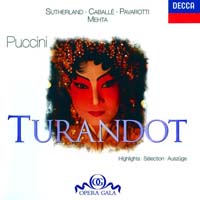 1972Turandot