ALBUM NOTESQueen II: exploring the world of Queen
Queen II- Album Overview
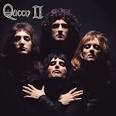
Queen II is the second studio album by the British rock band Queen, released on March 8, 1974. The album was produced by Roy Thomas Baker and Queen, and it was released under the EMI label in the UK and Elektra in the US. The recording sessions took place at Trident Studios in London and showcased the band's evolving sound, characterized by intricate vocal harmonies and elaborate arrangements. Queen II is often regarded as a pivotal moment in the band's artistic development, featuring a more theatrical approach to rock music compared to their self-titled debut.
The album's structure is unique, with side one featuring a more straightforward rock sound, while side two embraces a concept album format, often referred to as the "White Side" and "Black Side." Notable tracks include "Seven Seas of Rhye," which was released as a single and became a defining song for the band. Other standout tracks, such as "March of the Black Queen" and "The Fairy Feller's Master-Stroke," showcase Freddie Mercury's penchant for storytelling and operatic flair, while Brian May's innovative guitar work is prominent throughout.
Queen II has been influential in shaping the glam rock genre and has received critical acclaim for its ambitious production and artistic vision. The album has been cited as an inspiration by many artists across various genres, cementing its legacy in music history. Its combination of rock, opera, and progressive elements reflects the band's diverse influences and sets the stage for their future successes.
Review
Queen II showcases the band's ability to blend theatricality with rock in a stunning display of musical prowess. The album's sound is rich and layered, with Freddie Mercury's powerful vocals taking center stage, supported by Brian May's distinctive guitar riffs and Roger Taylor's dynamic drumming. Lyrically, Mercury explores themes of fantasy and existentialism, creating an immersive experience for listeners. The ambitious arrangements, particularly on tracks like "The March of the Black Queen," highlight the band's willingness to push boundaries and experiment with complex structures.
Despite its intricate nature, Queen II maintains a sense of cohesion, masterfully balancing heavy rock anthems with softer, more introspective moments. The production, overseen by Roy Thomas Baker, enhances the album's grandiosity, allowing each instrument to shine while creating an overall atmospheric quality. While some may find the album's theatrical elements overwhelming, it undeniably captures the essence of Queen's artistic vision and sets a precedent for their later works.
Highlights
- The ambitious and theatrical soundscapes that define the album.
- Freddie Mercury's powerful and emotive vocal performances.
- The innovative guitar work by Brian May, which adds depth to each track.
Weak points
- The album's complexity may be off-putting to casual listeners.
- Some tracks may feel overly theatrical and less accessible.
- The production style might not resonate with fans of more straightforward rock.
Overall evaluation
Queen II is a landmark album that showcases the band's unique blend of rock and theatricality. Its ambitious sound and intricate compositions set it apart from its contemporaries, marking a significant step in Queen's evolution. While it may not appeal to all listeners, its artistic merit is undeniable.
Personal rating: 9/10


 2023Cellista
 1995The Greatest 3
 1995Made in Heaven
 1994Greatest Hits I & II
 1992The 12″ Collection
 1992Box Of Tricks
 1992The Queen Collection
 1992Classic Queen
 1991Greatest Hits II
 1985The Complete Works
 1984Queen Collection: 15 Of The Best
 1981Greatest Hits
 1980The Game
 1977News of the World
 1976A Day at the Races
 1975A Night at the Opera
 1974Sheer Heart Attack