ALBUM NOTESQueen returns with Hot Space
Hot Space- Album Overview
Queen's "Hot Space," released on May 21, 1982, marked a significant departure from the band's earlier rock-oriented sound, venturing into disco, funk, and synth-pop territories. Released under EMI Records in the UK and Elektra Records in the US, the album was recorded primarily at Mountain Studios in Montreux, Switzerland, with further sessions taking place in New York City. This album was notable for its collaboration with producer Jack Douglas, who had previously worked with iconic artists like Aerosmith.
The single "Another One Bites the Dust," co-written by bassist John Deacon, became one of Queen's most successful tracks, reaching the top of the Billboard Hot 100 in the US and showcasing the band's newfound interest in funk rhythms. Other singles included "Body Language" and "Las Palabras de Amor," the latter being one of the few tracks featuring lead guitarist Brian May on lead vocals.
"Hot Space" has been a polarizing album among fans and critics alike, often seen as a bold experiment that reflected the musical trends of the early '80s. The album's blend of genres was a response to the evolving music landscape, incorporating elements of electronic music, which was gaining popularity at the time. Despite mixed reviews upon its release, "Hot Space" has since been recognized for its adventurous spirit and willingness to break away from traditional rock norms, contributing to Queen's legacy as innovators in the music industry.
Review
"Hot Space" is an album that exemplifies Queen's fearless approach to music. While it diverges from their classic rock sound, the experimentation with disco and funk is both a bold statement and a potential misstep. Tracks like "Another One Bites the Dust" expertly blend infectious grooves with rock elements, showcasing the band's versatility. However, some songs, such as "Body Language," lean heavily into synth-driven soundscapes that may alienate traditional rock fans.
Lyrically, the album explores themes of love and desire, but the approach can feel somewhat superficial compared to the poetic depth found in earlier works like "A Night at the Opera." Freddie Mercury's vocal performance remains stellar, effortlessly shifting between different styles, yet the overall production sometimes feels over-processed, with the electronic elements overshadowing the band's signature sound.
Ultimately, "Hot Space" serves as a testament to Queen's willingness to push boundaries. While it may not resonate with all fans, it undeniably reflects a pivotal moment in the band's evolution and the broader music scene of the early '80s.
Highlights
- Innovative incorporation of disco and funk elements.
- Strong performances, especially from Freddie Mercury and John Deacon.
- Commercial success of singles like "Another One Bites the Dust."
Weak points
- Polarizing sound that may alienate traditional rock fans.
- Some tracks feel less cohesive compared to earlier albums.
- Over-production detracts from the raw energy of the band's earlier work.
Overall evaluation
"Hot Space" is a bold and ambitious project that showcases Queen's willingness to innovate, even at the risk of alienating some fans. It remains a significant entry in their discography, reflecting both the band's versatility and the changing landscape of music in the early '80s.
Personal rating: 7/10

 1995The Greatest 3
 1995Made in Heaven
 1994Greatest Hits I & II
 1992The 12″ Collection
 1992Box Of Tricks
 1992The Queen Collection
 1992Classic Queen
 1991Greatest Hits II
 1985The Complete Works
 1984Queen Collection: 15 Of The Best
 1981Greatest Hits
 1980The Game
 1977News of the World
 1976A Day at the Races
 1975A Night at the Opera
 1974Sheer Heart Attack
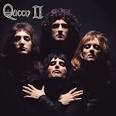
 1974Queen II