ALBUM NOTESWhy Queen's Jazz matters
Jazz- Album Overview
Queen's album "Jazz," released on November 10, 1978, marked a significant point in the band's evolution, showcasing their eclectic sound and theatrical flair. Produced by Queen and recorded at Mountain Studios in Montreux, Switzerland, the album was released under the EMI and Elektra labels. The recording sessions integrated a variety of musical styles, reflecting the band's willingness to experiment beyond their established rock identity. The album features tracks that range from the anthemic "Don't Stop Me Now" to the sultry "Fat Bottomed Girls," illustrating their diverse influences and songwriting prowess.
"Jazz" is notable for its collaborative spirit, as the band members—Freddie Mercury, Brian May, Roger Taylor, and John Deacon—contributed to the songwriting, revealing their unique strengths. Despite mixed initial reviews, the album gained traction over the years, becoming a staple in Queen's discography. The singles "Fat Bottomed Girls" and "Bicycle Race" not only charted successfully but also infused the cultural conversation with their provocative themes and catchy hooks.
Musically, "Jazz" bridges rock, pop, and elements of vaudeville, characterized by theatrical lyrics and memorable melodies. The album's cover art, designed by the band, features a vibrant and playful aesthetic that aligns with the album's adventurous spirit. In a broader cultural context, "Jazz" exemplifies the band's ability to defy genre boundaries, paving the way for future artists to explore similar eclecticism.
Review
"Jazz" stands as a testament to Queen's artistic vision and their audacious willingness to experiment. The album opens with "Mustapha," a song that combines Arabic influences with rock, immediately setting the tone for the diverse sonic palette that follows. Tracks like "Don't Stop Me Now" showcase Mercury's exuberant vocal delivery and the band's signature harmonies, creating an infectious energy that remains timeless. The lyrics often blend playful wit with deeper themes, a hallmark of Mercury's songwriting.
However, the album's ambitious range can also lead to moments of inconsistency, as some tracks veer towards the experimental, which may not resonate with all listeners. Despite this, the overall production quality is high, with Brian May's guitar work and Roger Taylor's drumming propelling the tracks with both finesse and power. The album's ability to shift from hard rock to softer ballads illustrates the band's versatility and commitment to pushing musical boundaries.
Highlights
- Innovative blend of rock, pop, and vaudeville elements.
- Memorable singles like "Don't Stop Me Now" and "Fat Bottomed Girls."
- Freddie Mercury's captivating vocal performances and theatrical presence.
Weak points
- Inconsistent track quality may alienate some listeners.
- Experimental tracks may feel disjointed compared to more mainstream offerings.
- Initial reception was mixed, which overshadowed its eventual legacy.
Overall evaluation
"Jazz" is a bold and ambitious work that reflects Queen's desire to innovate and entertain. While it may lack the cohesive brilliance of some of their other albums, its eclecticism and memorable tracks solidify its place in rock history.
Personal rating: 8/10

 1995The Greatest 3
 1995Made in Heaven
 1994Greatest Hits I & II
 1992The 12″ Collection
 1992Box Of Tricks
 1992The Queen Collection
 1992Classic Queen
 1991Greatest Hits II
 1985The Complete Works
 1984Queen Collection: 15 Of The Best
 1981Greatest Hits
 1980The Game
 1977News of the World
 1976A Day at the Races
 1975A Night at the Opera
 1974Sheer Heart Attack
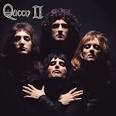
 1974Queen II