
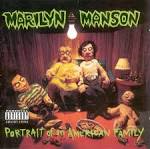
First impressions of Marilyn Manson – Portrait Of An American Family
Portrait Of An American Family- Album Overview
Released on July 19, 1994, "Portrait of an American Family" marked Marilyn Manson's debut studio album, setting the stage for the band's controversial and provocative approach to music and performance art. The album was produced by Trent Reznor of Nine Inch Nails, who played a pivotal role in shaping Manson's sound, blending elements of industrial rock and alternative metal. The album was released under the Nothing Records label, a subsidiary of Interscope Records, which helped catapult Manson into the mainstream consciousness.
The recording process involved a series of sessions at the famed Criteria Recording Studios in Miami, Florida, where the band crafted a sound that was both abrasive and melodic. Collaborators on the album included guitarist Daisy Berkowitz, bassist Twiggy Ramirez, and drummer Ginger Fish, each contributing to the dark and theatrical aesthetic that Manson would become known for. The album features notable tracks such as "Lunchbox," which gained significant airplay and became one of the band's early anthems, and "Get Your Gunn," a scathing commentary on gun violence and media sensationalism.
Musically, the album incorporates heavy guitar riffs, industrial beats, and haunting melodies, while lyrically, it explores themes of alienation, sexuality, and societal dysfunction. "Portrait of an American Family" was significant not only for its sound but also for its cultural impact, as it stirred debate about censorship and artistic expression, paving the way for future acts in the genre. The album's provocative imagery and lyrical content challenged the norms of the 90s, making it a landmark release in the history of alternative music.
Review
"Portrait of an American Family" is a raw and unfiltered glimpse into the psyche of a generation grappling with the disillusionment of American suburbia. Manson's vocal delivery ranges from menacing growls to haunting melodies, effectively capturing the emotional weight of the lyrics. The instrumentation is gritty and aggressive, with a production quality that complements the album's themes of chaos and rebellion. Manson's artistic vision is evident in both the music and the accompanying visuals, creating a compelling narrative that engages listeners.
The lyrics are provocative and often unsettling, tackling issues like consumerism, violence, and identity with a starkness that was uncommon at the time. Tracks like "Dogma" and "Wrapped in Plastic" dive deep into the absurdities of modern life, showcasing Manson's ability to merge social commentary with catchy hooks. While some critics may argue that the album's shock value overshadows its musicality, it's undeniable that "Portrait of an American Family" set a precedent for future artists to explore darker themes within their work.
Highlights
- The powerful production by Trent Reznor enhances the album's industrial sound.
- Provocative lyrics that challenge societal norms and provoke thought.
- Catchy anthems like "Lunchbox" that remain fan favorites.
Weak points
- Some tracks may feel repetitive in their themes and musical structure.
- The album's shock tactics can detract from its musical depth for some listeners.
- Occasional production choices might not appeal to all audiences.
Overall evaluation
"Portrait of an American Family" remains a bold statement in the landscape of 90s music, merging industrial rock with social commentary. While it may not resonate with everyone, its cultural impact and the foundation it laid for Marilyn Manson's career are undeniable.
Personal rating: 8/10 2020We Are Chaos
 2017Heaven Upside Down
 2015The Pale Emperor
 2012Born Villain
 2009The High End Of Low
 2007Eat Me, Drink Me
 2003The Golden Age Of Grotesque
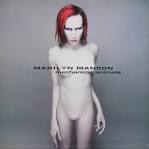 1998Mechanical Animals
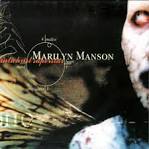 1996Antichrist Superstar