
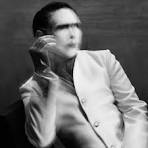
Inside the atmosphere of Marilyn Manson's The Pale Emperor
The Pale Emperor- Album Overview
Released on January 20, 2015, "The Pale Emperor" is the ninth studio album by the controversial American rock musician Marilyn Manson. The album was released under the label Loma Vista Recordings and marks a significant shift in Manson's musical style, moving away from the industrial metal sound that characterized much of his earlier work. "The Pale Emperor" was produced by Manson himself alongside his long-time collaborator, guitarist Tyler Bates, who also contributed to the songwriting process. Recording sessions took place in Los Angeles, and the album features a blend of rock, blues, and Goth elements, showcasing Manson's evolving artistic vision. The lead single, “Deep Six,” was well-received and helped cement Manson's relevance in the modern rock scene. Other notable tracks include “Third Day of a Seven Day Binge” and “The Mephistopheles of Los Angeles,” both of which highlight Manson’s lyrical depth and thematic exploration of fame, identity, and darkness. Culturally, "The Pale Emperor" represents a comeback for Manson, who had faced significant media scrutiny in previous years. The album's themes resonate with listeners who navigate the complexities of modern life and celebrity culture. Manson's haunting vocals and the rich instrumentation provided by Bates and the rest of the band create an atmosphere that is both eerie and captivating, further enhancing the album's impact on the rock genre.
Review
"The Pale Emperor" stands out as a mature work that reflects Manson's introspection and growth as an artist. The sound is both polished and raw, striking a balance that allows Manson’s unique aesthetic to shine. The album's production is notably rich, with layered instrumentation that complements Manson's theatrical vocal delivery. Lyrically, Manson dives deep into his psyche, addressing themes of nihilism and existentialism while maintaining the dark, provocative imagery for which he is known. Tracks like “Deep Six” and “Third Day of a Seven Day Binge” exhibit a melodic sensibility that contrasts with Manson's earlier, more aggressive work. The bluesy undertones present throughout the album showcase a newfound maturity, with lyrics that reflect a more reflective and less confrontational Manson. While some might miss the rawness of his earlier albums, "The Pale Emperor" serves as a testament to Manson's ability to reinvent himself while staying true to his roots.
Highlights
- Innovative blend of rock, blues, and Goth elements.
- Strong lyrical content with themes of identity and fame.
- Rich production quality that enhances the overall listening experience.
Weak points
- Some fans may find the departure from industrial metal disappointing.
- Occasional moments of lyrical ambiguity that may confuse listeners.
- A slower pace in certain tracks might not appeal to all listeners.
Overall evaluation
"The Pale Emperor" stands as a pivotal moment in Marilyn Manson's career, illustrating his ability to evolve while maintaining the essence of what makes him a distinctive artist. The album's exploration of darker themes through a more melodic lens marks a new chapter in his discography. Personal rating: 8/10
 2020We Are Chaos
 2017Heaven Upside Down
 2012Born Villain
 2009The High End Of Low
 2007Eat Me, Drink Me
 2003The Golden Age Of Grotesque
 1998Mechanical Animals
 1996Antichrist Superstar
 1994Portrait Of An American Family