ALBUM NOTESWhy Marilyn Manson's Holy Wood (in The Shadow Of The Valley Of Death) matters
Holy Wood (in The Shadow Of The Valley Of Death)- Album Overview
Released on November 13, 2000, "Holy Wood (in The Shadow Of The Valley Of Death)" is the third studio album by the American rock band Marilyn Manson. It was released under the Interscope Records label and produced by Manson himself along with Tim Palmer, known for his work with artists such as Ozzy Osbourne and U2. The album was recorded in various locations, including Manson's home studio and at the prestigious Ocean Way Recording in Los Angeles.
"Holy Wood" is a concept album that delves deeply into themes of violence, fame, and the impact of media on society, prompted in part by the Columbine High School shooting, which occurred shortly before its release. The album features a darker sound compared to its predecessors, blending elements of industrial metal, hard rock, and goth. It spawned several singles, including "The Fight Song," "Mobscene," and "This Is The New Shit," which received both commercial success and critical acclaim.
The album's cover art, featuring a stark, haunting image of Manson, and its lyrical content challenge societal norms and provoke thought, making it a significant work in the early 2000s landscape of music and pop culture. Collaborators on the album included guitarist John 5, who contributed to its heavy sonic textures, further establishing Manson's identity as an artist unafraid to tackle controversial subjects.
Review
"Holy Wood" stands out for its ambitious sonic experimentation and raw lyrical content. Manson's vocals are both haunting and powerful, often conveying a sense of urgency and angst that resonates with listeners. The album's sound is marked by heavy guitar riffs, atmospheric keyboards, and industrial beats that create a sinister yet compelling backdrop. Lyrically, Manson explores the duality of fame and violence, articulating a critique of celebrity culture that feels especially relevant today. Tracks like "The Fight Song" and "Mobscene" encapsulate a sense of rebellion and disillusionment, inviting listeners to reflect on their own relationship with the media.
Despite its darker themes, the album also showcases Manson's artistic vision and ability to provoke thought through music. However, its confrontational nature may not resonate with all audiences, as some listeners may find the content challenging or uncomfortable.
Highlights
- Strong thematic coherence addressing fame, violence, and media influence.
- Musical innovation blending industrial, metal, and gothic elements.
- Powerful vocal performances that convey deep emotional resonance.
Weak points
- Some tracks can feel overly aggressive or abrasive for mainstream listeners.
- The concept may be challenging to fully grasp without attentive listening.
- Controversial themes may alienate certain audience segments.
Overall evaluation
"Holy Wood (in The Shadow Of The Valley Of Death)" remains a significant entry in Marilyn Manson's discography, showcasing his ability to provoke and challenge societal norms through music. It is a bold exploration of the darker side of fame and media, solidifying Manson's position as a cultural icon of the era.
Personal rating: 8/10


 2017Heaven Upside Down
 2015The Pale Emperor
 2012Born Villain
 2009The High End Of Low
 2007Eat Me, Drink Me
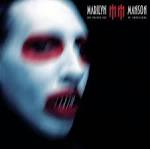 2003The Golden Age Of Grotesque
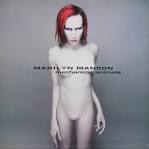 1998Mechanical Animals
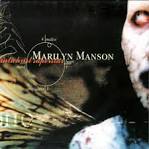 1996Antichrist Superstar
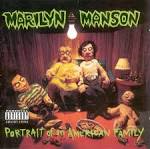 1994Portrait Of An American Family