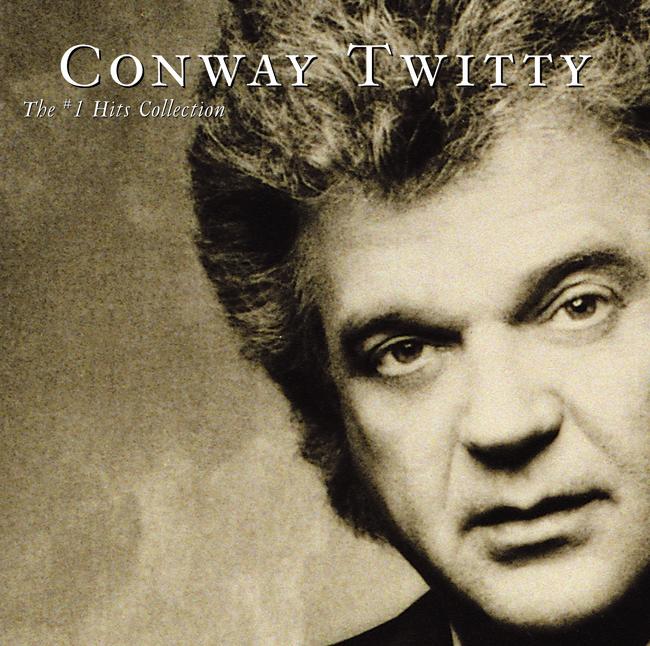
ALBUM NOTESCheck the vibes: Conway Twitty – Play, Guitar Play
Play, Guitar Play- Album Overview
Conway Twitty's "Play, Guitar Play" was released in 1970 under the Decca Records label, marking a significant entry in the country music genre during a period rich with musical experimentation. This album showcases Twitty's distinctive style, blending honky-tonk and traditional country with elements of rock and pop that were beginning to permeate the genre. The recording sessions involved a mix of seasoned session musicians who contributed to the rich, layered sound characteristic of Twitty's work. The album features eleven tracks, including notable singles such as "It's Only Make Believe," which had already solidified Twitty's status as a chart-topping artist by the end of the 1950s.
"Play, Guitar Play" reflects the cultural zeitgeist of the early '70s, where storytelling in country music was paramount, and Twitty's narratives often centered around themes of love, loss, and the everyday struggles of life. Collaborators on this album included producer Owen Bradley, who played a pivotal role in shaping the Nashville sound. The production quality is crisp, allowing Twitty's powerful baritone to shine through, backed by lush instrumentation. The album's significance lies not only in its commercial success but also in its ability to bridge traditional country with the evolving pop influences of the time, establishing Twitty as a versatile artist capable of appealing to a broader audience.
Review
"Play, Guitar Play" encapsulates Conway Twitty's artistic vision, which melds heartfelt storytelling with a polished sound. The album's lyrical content resonates with listeners, as Twitty's songs often reflect personal experiences and emotions that are universally relatable. Musically, the album showcases Twitty's impressive vocal range, complemented by intricate guitar work and rich harmonies. The production is expertly crafted, balancing a full instrumental backdrop with Twitty's commanding voice. While the album primarily adheres to traditional country roots, it also hints at the pop influences that would later define the genre's evolution. However, some tracks may feel dated to contemporary audiences, yet they serve as a nostalgic reminder of Twitty's enduring legacy in country music.
Highlights
- Strong vocal performances that showcase Twitty's range and emotive delivery.
- Rich instrumentation that complements the storytelling aspect of the lyrics.
- Cultural significance as a bridge between traditional country and emerging pop influences.
Weak points
- Some tracks may feel dated to modern listeners lacking contemporary relevance.
- Occasional reliance on clichés within the lyrical content.
- Limited exploration of musical diversity compared to Twitty's later works.
Overall evaluation
"Play, Guitar Play" stands as a testament to Conway Twitty's artistry and his role in shaping the sound of country music in the early '70s. While it may not represent his most innovative work, it captures the essence of his talent and the era's musical landscape.
Personal rating: 7/10